Gods & Goddesses
 Contributor: Raghunatha Sharma, reviewed by Southwala Editorial Desk
Shiva, Krishna, Ganesha, Murugan, Kali, Balaji and more: who they are and why people pray to them.
Varahi Amman: the boar-faced goddess people worship before dawn
Varahi is one of the Saptamatrikas, the commander of the Divine Mother’s army. Who she is, why she is worshipped at night and in the Ashadha Navaratri.
Kalabhairava: the fierce guardian of time and of Kashi
Kalabhairava is the form of Shiva who guards Kashi and rules over time. The story, the Ashtami worship and why people offer him black sesame and dogs are fed.
Kamakhya Devi: the Shakti Peetha of Assam and its hilltop mystery
Kamakhya has no idol. The story of the Nilachal hill temple in Guwahati, the Ambubachi Mela and why it is one of the most powerful Shakti Peethas.
Kali: the goddess people fear and the mother they pray to
Kali looks frightening on purpose. What her dark form, her tongue and her garland mean, and why Ramakrishna called her Ma.
Chamundeshwari of Mysuru: the goddess who gave the city its name
Mysuru is named after the demon Mahishasura. The goddess who slew him sits on Chamundi Hill, and the Wodeyar kings made her their family deity. The legend and the Dasara.
Ayyappa and Sabarimala: how the 41-day vratam works
Every year lakhs of devotees wear black, give up comforts for 41 days and climb to Sabarimala. Who Ayyappa is and what the vratam asks of you.

Kanaka Durga of Vijayawada: the goddess on Indrakeeladri hill
Arjuna prayed here, Mahishasura was slain here, and every Dasara the Krishna river reflects a hill of lamps. The story of Kanaka Durga on Indrakeeladri.
Satyanarayana Vratam at home: what to keep ready and how it goes
A practical guide to the Satyanarayana Vratam at home: when to do it, what to keep ready, the steps, the five stories, the rava prasadam, and who can perform it.

Who is Radha? What the Bhagavata, Jayadeva and the poets say
Who is Radha? An honest look at where she appears in the texts, from Gita Govinda to Gaudiya theology, and why devotees see her as the soul's longing for God.
Vaishno Devi: the girl born in the South who walked to the hills
A young woman born to a family in the South vowed to marry Rama. A pilgrimage of thirteen kilometres up Trikuta now remembers her. The legend of Vaishnavi and Bhairon Nath.
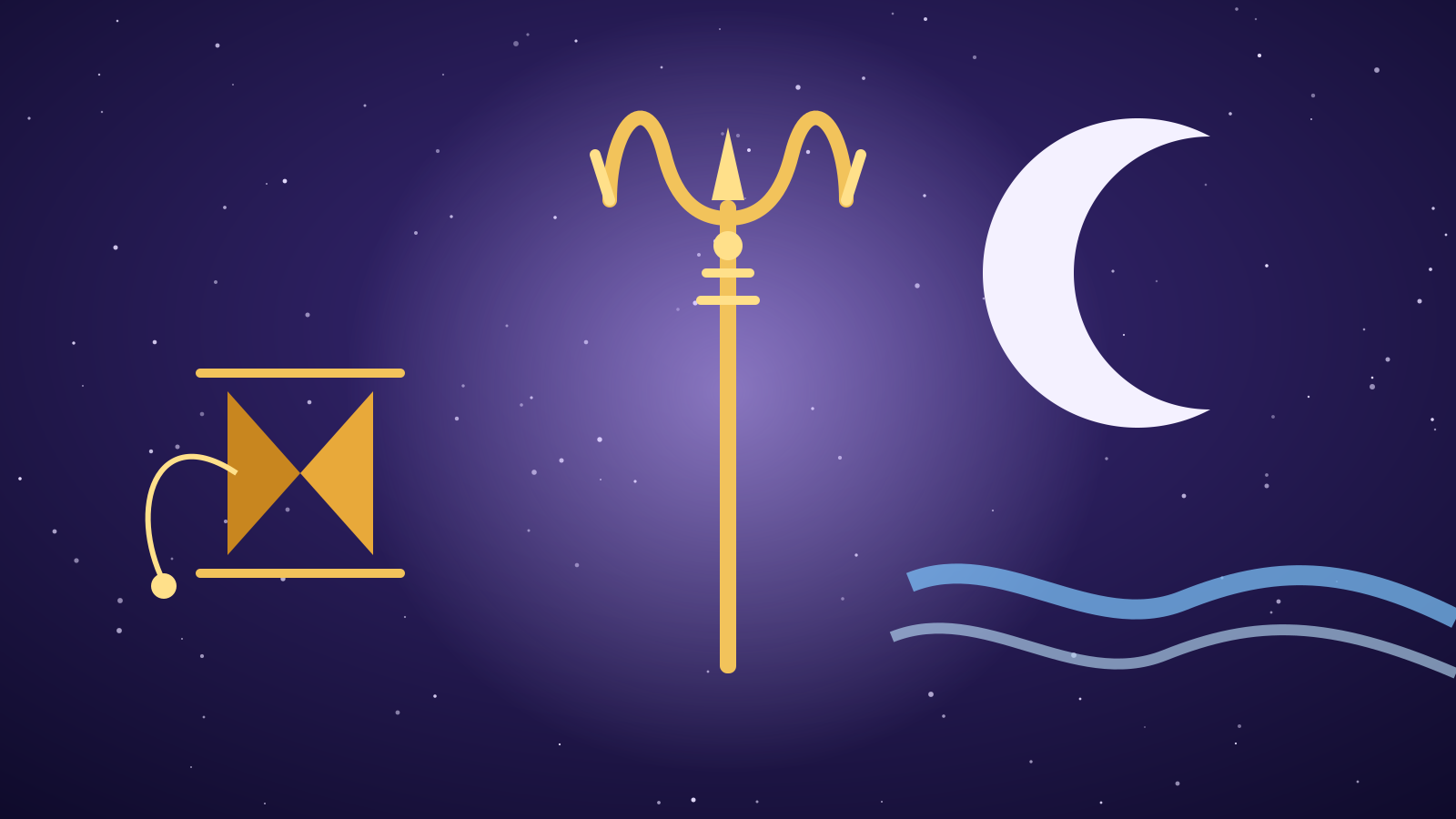
Nataraja: what the drum, the fire and the raised foot mean
A guide to the Nataraja image: damaru, fire, raised foot, the dwarf Apasmara, the ring of fire, Chidambaram and the Chola bronzes, and the five acts of the dance.
Dakshineswar Kali: the temple Rani Rasmani built for the Mother
A widow of the fishing caste built a Kali temple that the priests would not touch. A young priest named Gadadhar took the job and wept before the Mother until she appeared.
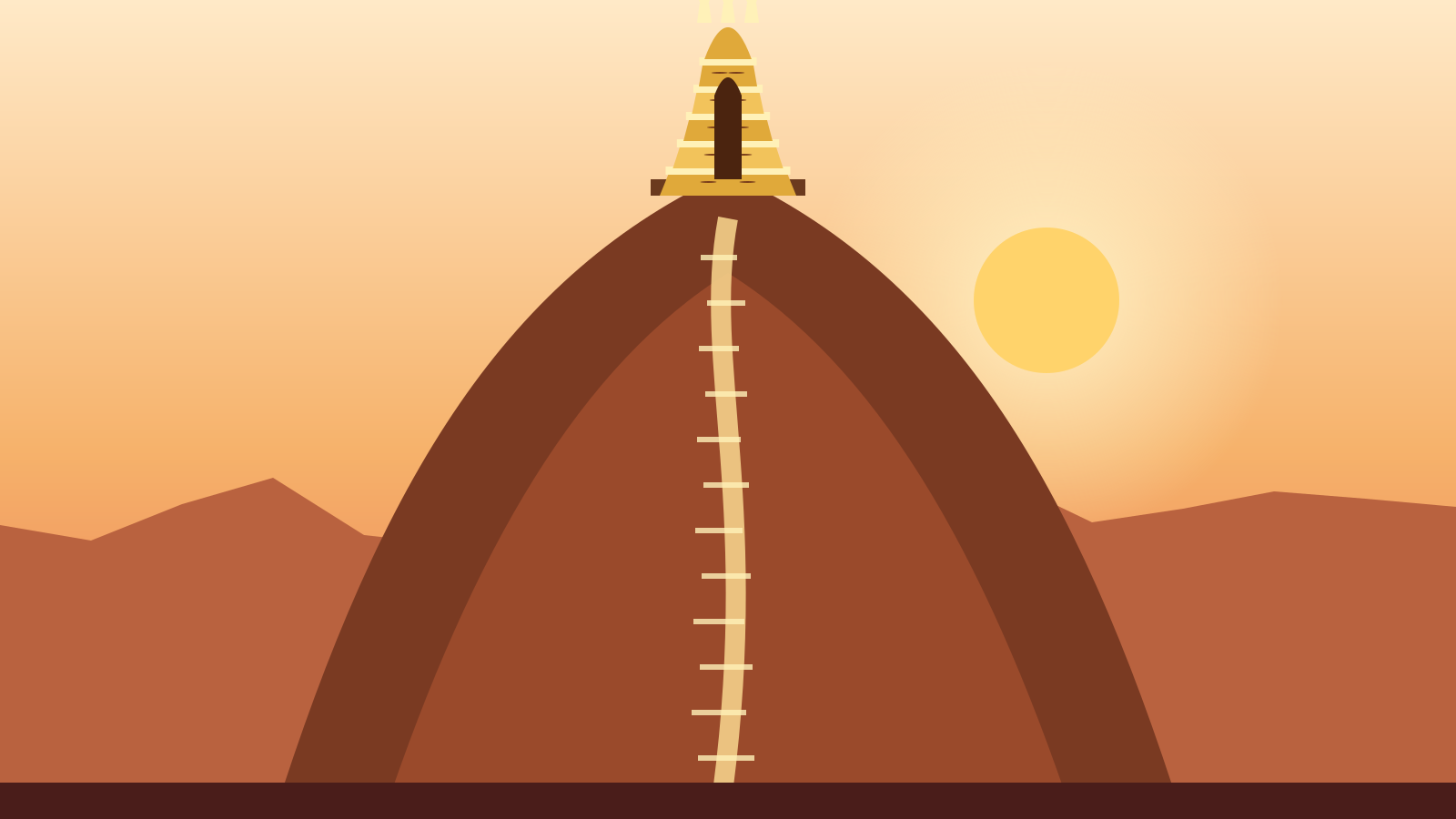
Ayyappa: the son of Shiva and Vishnu who guards Sabarimala
The story of Ayyappa, son of Shiva and Mohini, raised by the Pandalam king as Manikandan: Mahishi, Vavar, the eighteen steps and the Sastha shrines of Kerala.
Kodungallur Bhagavathy: the goddess of a very different Kerala
Red cloth, sword-bearing oracles, and a festival that breaks every rule of the temple next door. The story of Kodungallur Bhagavathy and the links to Kannagi.
Kanda Shasti Kavasam: Murugan's protection prayer, line by line
What the Kanda Shasti Kavasam asks of Murugan, who composed it, when it is recited in Skanda Shashti week, and how to follow it if you do not read Tamil.
What the Shiva lingam stands for, and how to worship it at home
What the Shiva lingam stands for, the story of Lingodbhava, its parts, and a simple way to worship it at home with water, milk and bilva on Monday and Pradosham.
Why Rama is called Maryada Purushottam, and what it costs him
What Maryada Purushottam means, how Valmiki lists Rama's sixteen qualities, and an honest look at his hardest choices: exile, Sita's trials, Vali and the Uttara Kanda.
Vishnu Sahasranama: why a thousand names, and how to chant them
What the Vishnu Sahasranama is, where it comes from, what a few of its thousand names mean, and how families chant it, even with imperfect pronunciation.
Mahankali and Bonalu: the vow made when cholera struck in 1813
Secunderabad's Ujjaini Mahankali temple began with a vow made when cholera struck in 1813. How it became Bonalu, with clay pots, Potharaju and the Rangam.
Dakshinamurthy: the Shiva who teaches without a word
Why Shiva as Dakshinamurthy sits facing south under the banyan and teaches in silence, what Adi Shankara's hymn says, and why Thursday and the south wall belong to him.
Mahalakshmi Ashtakam: the eight verses Indra sang to Lakshmi
The eight verses of the Mahalakshmi Ashtakam explained in plain words, with the opening line, the phalashruti, and how and when to recite it on a Friday evening.
Ram Raksha Stotra: the prayer that guards the body part by part
What the Ram Raksha Stotra is, why it protects the body limb by limb, who is said to have composed it, and a simple way to recite it at home, with the closing Rama Rama verse.
Tirupati Gangamma: the sister of Balaji who wore many disguises
Every May, devotees in Tirupati dress in disguises for Gangamma. The local legend of the village goddess who outwitted a tyrant, and the jatara that remembers it.
Vitthala: the god who stands on a brick and waits for a devotee
Who is Vitthala of Pandharpur? The story of Pundalik and the brick, the image with hands on hips, the warkari saints, and the Vittala of Karnataka, in plain words.
Why Tirumala wakes Venkateswara with a song every dawn
What the Venkateswara Suprabhatam is, who composed it, its four parts, the opening verse, and why devotees wake the Lord of Tirumala every dawn with song.
The 12 Jyotirlingas: where they are and the story of each
All twelve Jyotirlingas of Shiva with their towns and states, a line on the story of each, and which ones lie in South India, for planning a pilgrimage with your family.
The ten avatars of Vishnu: what each one came to fix
A plain guide to the ten avatars of Vishnu, from Matsya to Kalki: each story in a few lines, what it teaches, and why different lists name different avatars.
Renuka, Yellamma, Mariamman: one mother, many names
A woman beheaded by her son and restored by a boon, now worshipped across the South as the goddess of healing and rain. The story that links Renuka, Yellamma and Mariamman.
Hanuman forgot his own strength: his birth and boyhood stories
The stories of Hanuman: his birth to Anjana and Kesari, Vayu's blessing, the sun-fruit and the curse of forgotten strength, the leap to Lanka, Sanjeevani, and why devotion defines him.
Om Namah Shivaya: what the five syllables are said to mean
What each syllable of Om Namah Shivaya means in the tradition, where it comes from in the Sri Rudram, and how to chant it on a rudraksha mala without fuss or fear.
Why Ganesha has an elephant head: what the Puranas say
How Ganesha got his elephant head, as told in the Shiva Purana and other versions, and what the big ears, small eyes, one tusk and mouse are said to teach.
Sankashti Chaturthi vratam: the fast that waits for the moon
A practical guide to Sankashti Chaturthi: morning fast, evening Ganesha puja, moonrise darshan and arghya, how to break the fast, and Angaraki Sankashti on Tuesday.
Meenakshi of Madurai: the warrior queen who met Shiva at Kailash
Born from a sacrificial fire with three breasts, Meenakshi ruled Madurai and marched on the worlds. At Kailash, the extra breast vanished. The Madurai legend, retold.
Kamakshi of Kanchi: the goddess who held on to a lingam of sand
Parvati came to Kanchipuram to win Shiva, and he sent a flood to test her. The temple story of Kamakshi, the mango tree and the sand lingam, as the tradition tells it.
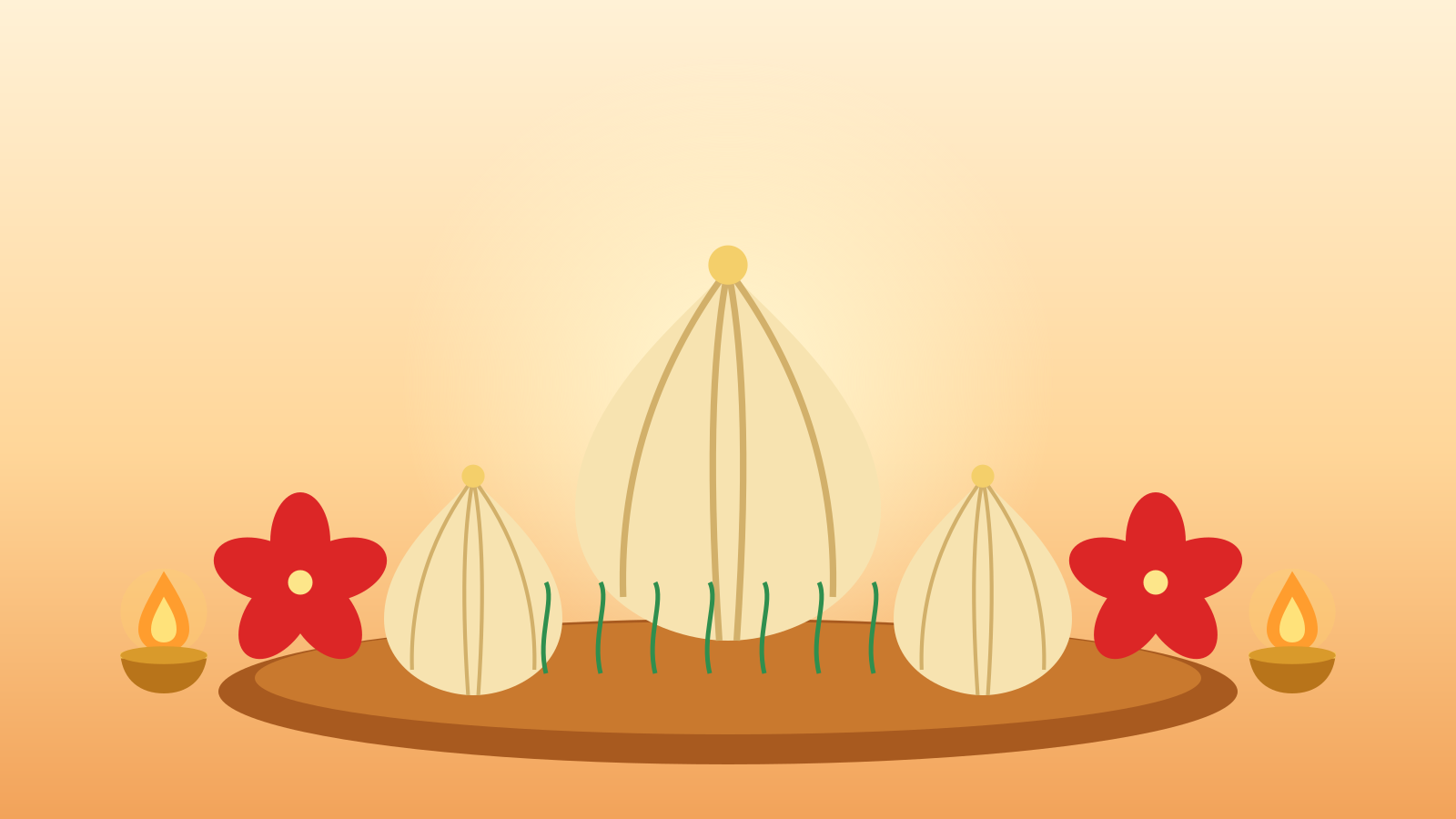
Why Ganesha is worshipped first: the head, the tusk and the mouse
Ganesha comes before every other god in every puja. The stories behind his elephant head, his broken tusk, his mouse and his love of modak.
Balaji of Tirumala: the seven hills, the loan and the lord who waits
Why does Venkateswara stand on seven hills, why do pilgrims shave their heads and what is the story of the loan from Kubera? A plain guide to Balaji.
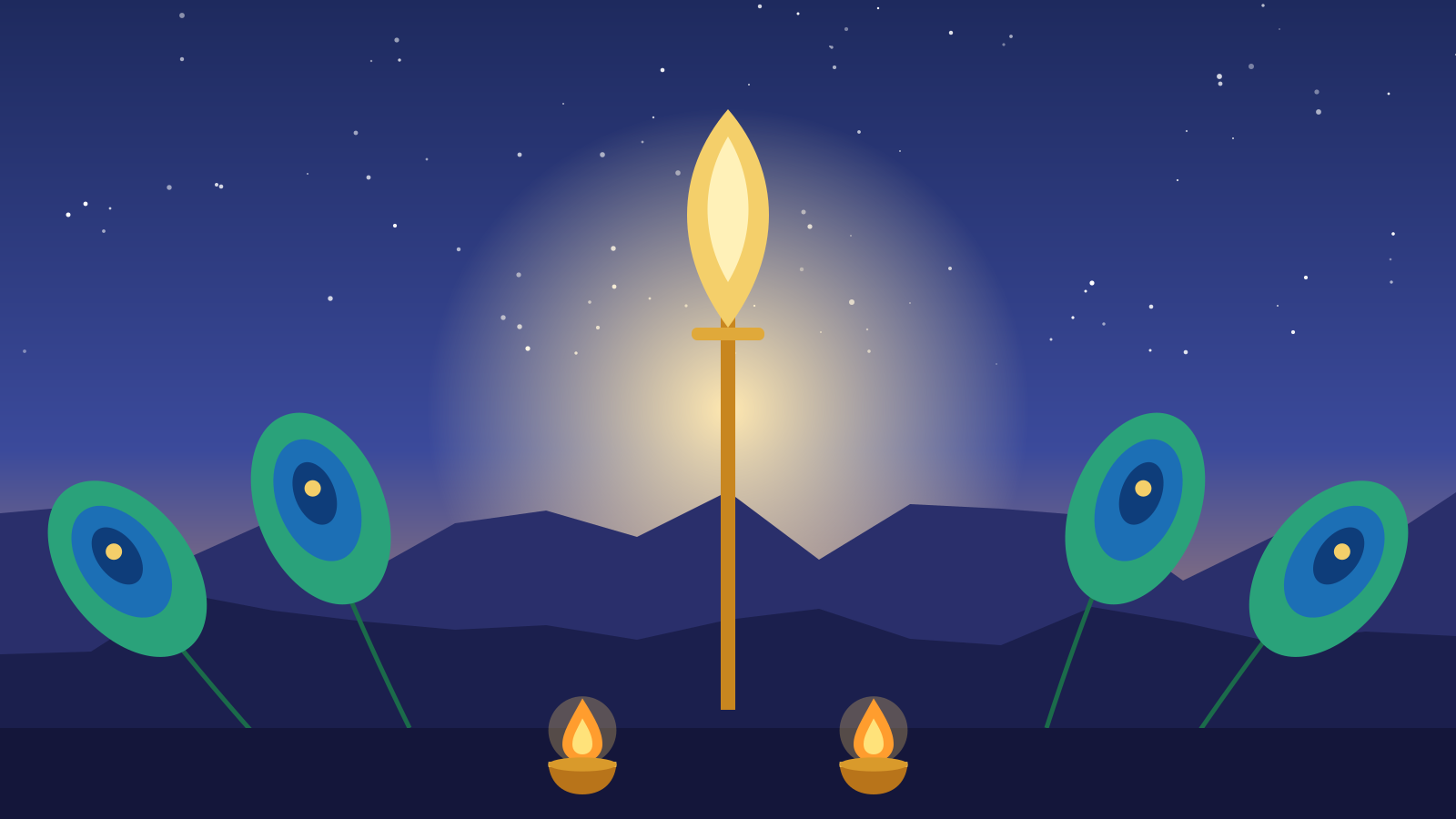
Murugan, Kartikeya, Subramanya: one god, many names
The Tamil Murugan, the Telugu Subramanya and the northern Kartikeya are the same god. His six faces, his vel and the six abodes in Tamil Nadu.

Krishna: the cowherd, the king and the teacher
Krishna is three people in one story. The naughty child of Gokul, the clever king of Dwaraka and the voice of the Gita. How they fit together.
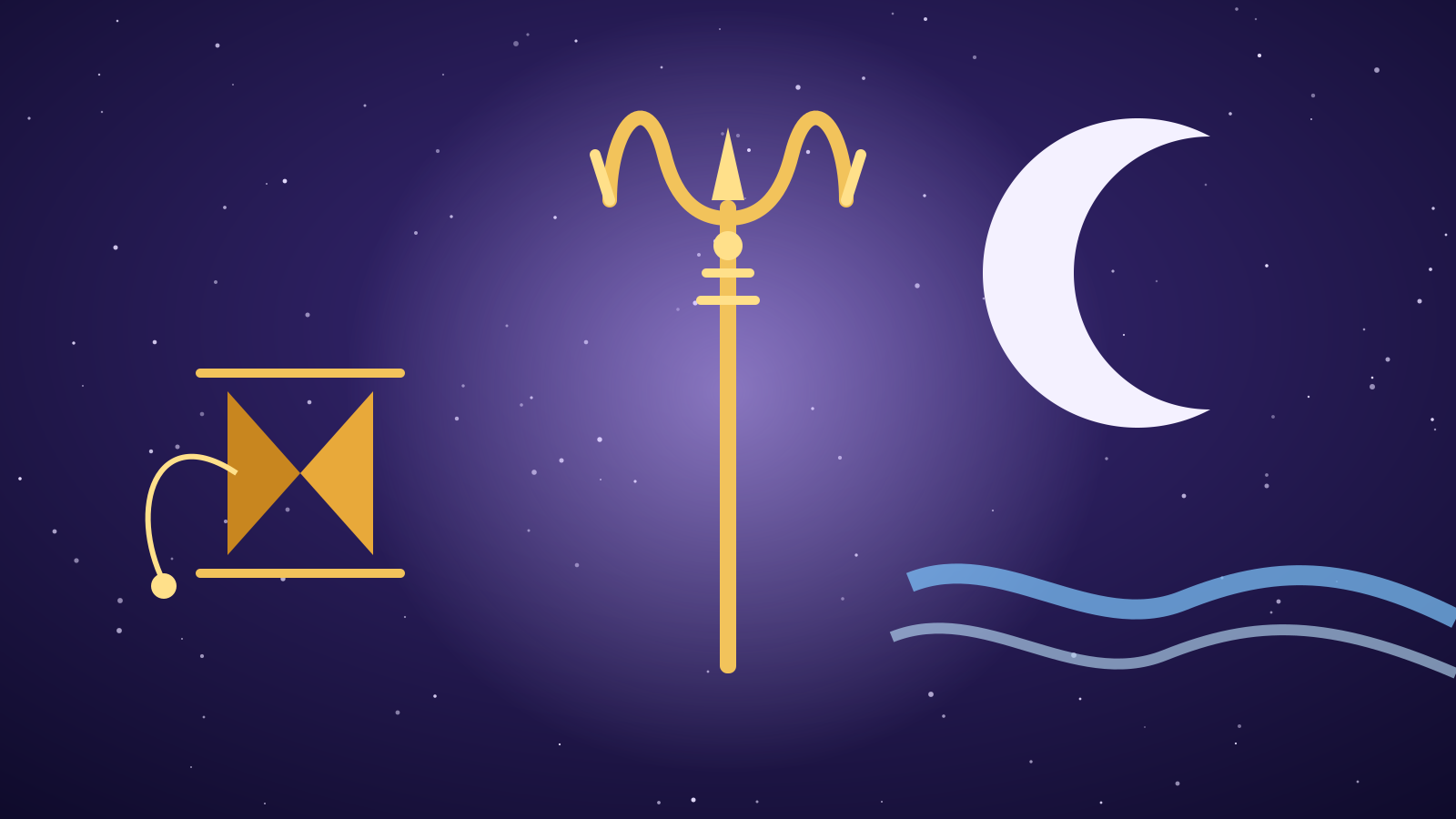
Who is Shiva? Five things most people get wrong
Shiva is called the destroyer, but that is the smallest part of the picture. Who he is, what the linga means and why ash and graveyards belong to him.