Hanuman forgot his own strength: his birth and boyhood stories
The stories of Hanuman: his birth to Anjana and Kesari, Vayu's blessing, the sun-fruit and the curse of forgotten strength, the leap to Lanka, Sanjeevani, and why devotion defines him.

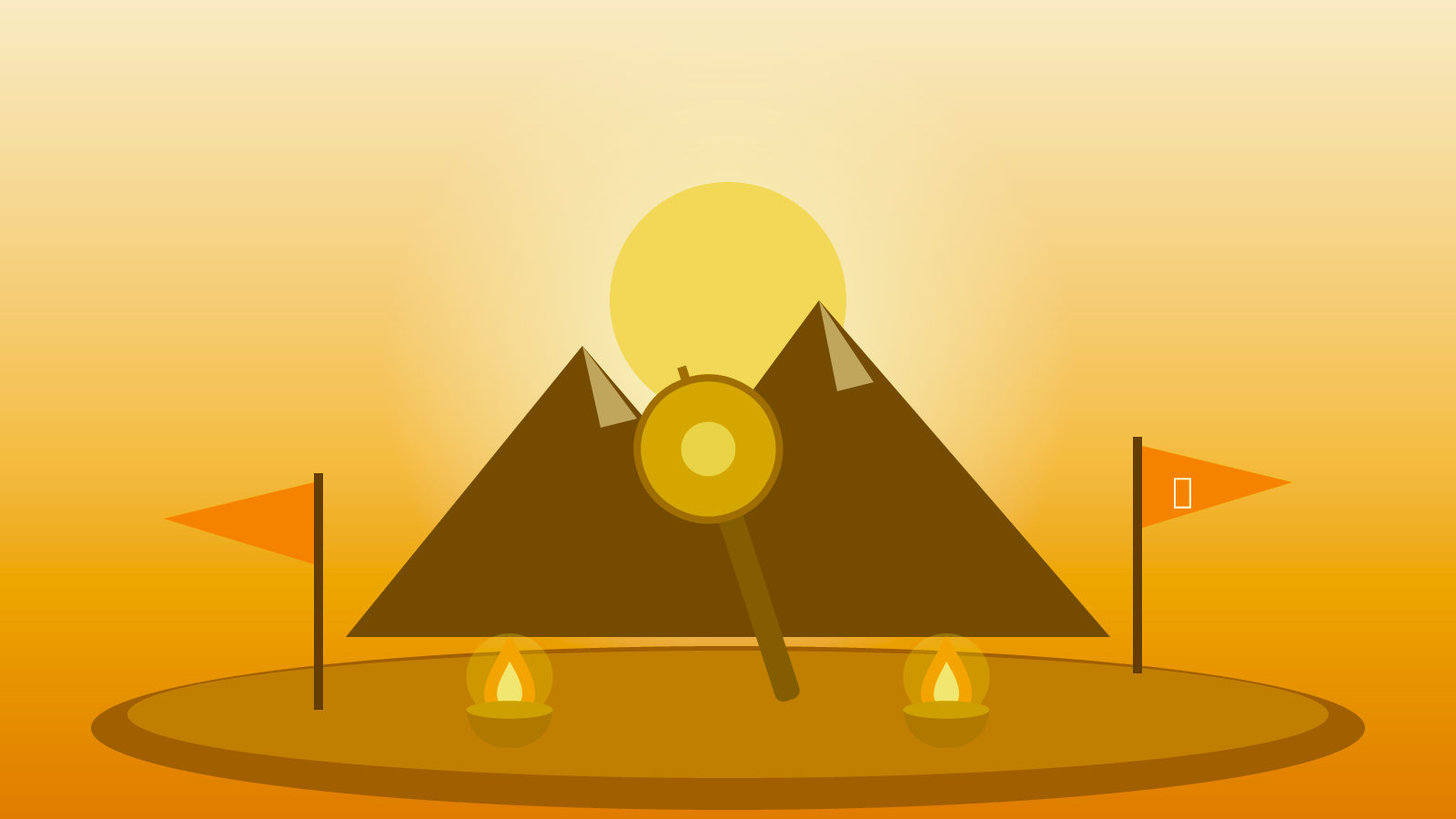
Every Saturday, in many Telugu and Tamil homes, someone lights a lamp for Hanuman, and a child asks why this monkey is a god’s best friend and not a king himself. The answer lies in the stories, and the stories do not all agree. Let us walk through them slowly, and say where the tellings differ.
Birth
Hanuman’s mother was Anjana, a celestial being who, by a curse, was born as a vanara woman. His father was Kesari, a vanara chief. The tradition says that Vayu, the god of wind, had a part in his birth: by his blessing or touch, the child came into the world, so Hanuman is called Pavanaputra, son of the wind.
In some tellings he is also an amsha, a portion, of Shiva, and there are stories of Anjana performing austerities to Shiva. Other tellings keep to Vayu’s blessing alone. The two are not seen as opposed; devotees hold both. In Telugu he is Anjaneya (ఆంజనేయ), in Tamil Anjaneyar.
The sun-fruit and the curse
The best-loved story from his childhood tells that the little Hanuman, hungry at sunrise, mistook the sun for a ripe red fruit and leapt up to catch it. The devas were alarmed, and Indra struck him with his thunderbolt, hurting his jaw. That is the traditional explanation of the name Hanuman, from hanu, jaw. Vayu, grieved, withdrew the winds from the world until the gods brought the child back to life and gave him gifts and blessings.
There is a further tradition that, because the child was so strong and so playful, sages whom he teased cursed him to forget his own power until he was reminded. This detail appears in later and regional tellings and is not in every version; Valmiki gives Jambavan’s reminder without making the curse the reason. Many families tell it as it was told to them, and that is fine.
Jambavan’s reminder and the leap
When the vanaras stand at the shore of the southern sea, searching for Sita, none knows who can cross a hundred yojanas. Old Jambavan, the bear, speaks to Hanuman and recalls who he is. You can read the full scene in Jambavan, the old bear who reminded Hanuman of his strength. Hanuman grows and leaps, crosses the sea, and meets obstacles on the way, which the Ramayana shows him overcoming with humility as much as strength.
In Lanka he finds Sita in the Ashoka grove, gives her Rama’s ring, burns a part of the city with his own tail set afire, and returns with her message.
Sanjeevani
During the war, when Lakshmana falls wounded, the physician says only the herbs of a distant Himalayan hill can save him. Hanuman flies north. Unable to tell which herb is the right one, he lifts the whole mountain and carries it to the field. Lakshmana recovers. It is one of the most painted scenes in South Indian temples, and it shows the same thing again: strength given to a need, not to pride.
Hanuman as scholar and counsellor
It is easy to remember only the strength. Yet when Hanuman first meets Rama and Lakshmana at Rishyamukha, disguised as a wandering ascetic, Rama is struck by how clearly and gently he speaks. He is said to have studied the Vedas and grammar under the Sun himself, and in Lanka he reasons carefully before every step. The Ramayana presents him as wise as he is strong, and that wisdom is what makes his humility worth admiring.
Why devotion is central
Hanuman could have been a king; he was counsellor to Sugriva. Yet in nearly every story, what defines him is his service to Rama. When Sita once offered him a pearl necklace, a popular tale says, he bit each pearl open to see whether Rama was inside, and when he found none, said they were useless to him. Whether or not you take this literally, it shows his heart: everything is measured by Rama.
In Tamil tradition, he is often shown with folded hands before Rama, or carrying the name on his chest. In Andhra and Karnataka, he is the guardian at the edge of the village and fort. In both, he is a servant first, and that is why people trust him.
What to learn from him
- Strength is for service. He never uses his power to take, only to carry.
- Forgetting is human. Sometimes we need someone to remind us what we can do; and sometimes we must be that voice for another.
- Humility with power. He crosses the sea and still sits at Rama’s feet.
- Memory of the name. He is happiest wherever Rama’s story is told.
If you want a practical prayer, begin with the first verses of the Chalisa; see Hanuman Chalisa: meaning of the first five verses. For devotees who ask about difficult times, see Hanuman and Shani.
Where tellings differ
Do not worry if your grandmother’s story has a detail missing here, or an extra detail. The Hanuman tradition is huge. The birth, the curse, the sun-fruit, even the name of his wife in some Telugu temples, change with region and text. What does not change is the heart of it: a servant whose greatness is his devotion.
If your family has a Hanuman story we have not told, write to us at hello@southwala.com and give us the village it came from.
Quick answers
Who were Hanuman's parents?
Tradition names Anjana and Kesari as his mother and father, and Vayu, the wind god, as the one by whose blessing he was born. This is why he is also called Pavanaputra and Vayuputra.
Why did Hanuman forget his strength?
Tradition holds that after his childhood mischief with the sun, he was cursed by sages to forget his own power until someone reminded him. Jambavan did this before the leap to Lanka.
Is Hanuman an incarnation of Shiva?
Some tellings, including popular Puranic and later traditions, call Hanuman an amsha or part of Shiva. Other tellings stress only Vayu's blessing. Families hold either view.
Why is Hanuman called Anjaneya?
Anjaneya means the son of Anjana. In Telugu and Kannada he is also called Anjaneya Swami, and in Tamil Anjaneyar.