Om Namah Shivaya: what the five syllables are said to mean
What each syllable of Om Namah Shivaya means in the tradition, where it comes from in the Sri Rudram, and how to chant it on a rudraksha mala without fuss or fear.

Perhaps you heard it first from your grandmother, half under her breath while she cut vegetables. Or from a temple loudspeaker at dawn, mixed with the sound of bells. Om Namah Shivaya. Five syllables, and you have known them for so long that you may never have asked what they say.
Let us sit with them for a few minutes.
What the words mean
Namah means a bow, an offering of the self. Shivaya means to Shiva, and Shiva means the auspicious, the kind one. So the plain sense is: I bow to the auspicious Lord. Om is the sound that begins and closes prayer, and with it the mantra has six syllables, though the tradition still calls it the Panchakshari, the five-lettered, because the five letters Na-Ma-Shi-Va-Ya are the heart.
In Telugu we write it ఓం నమః శివాయ, and in Tamil ஓம் நமசிவாய. Tamil devotion loves this mantra especially: the saints of the Tirumurai hymns sing of Namashivaya again and again.
The five syllables
Tradition gives each letter a meaning, and you will find slightly different lists in different lineages. The commonly taught one is this:
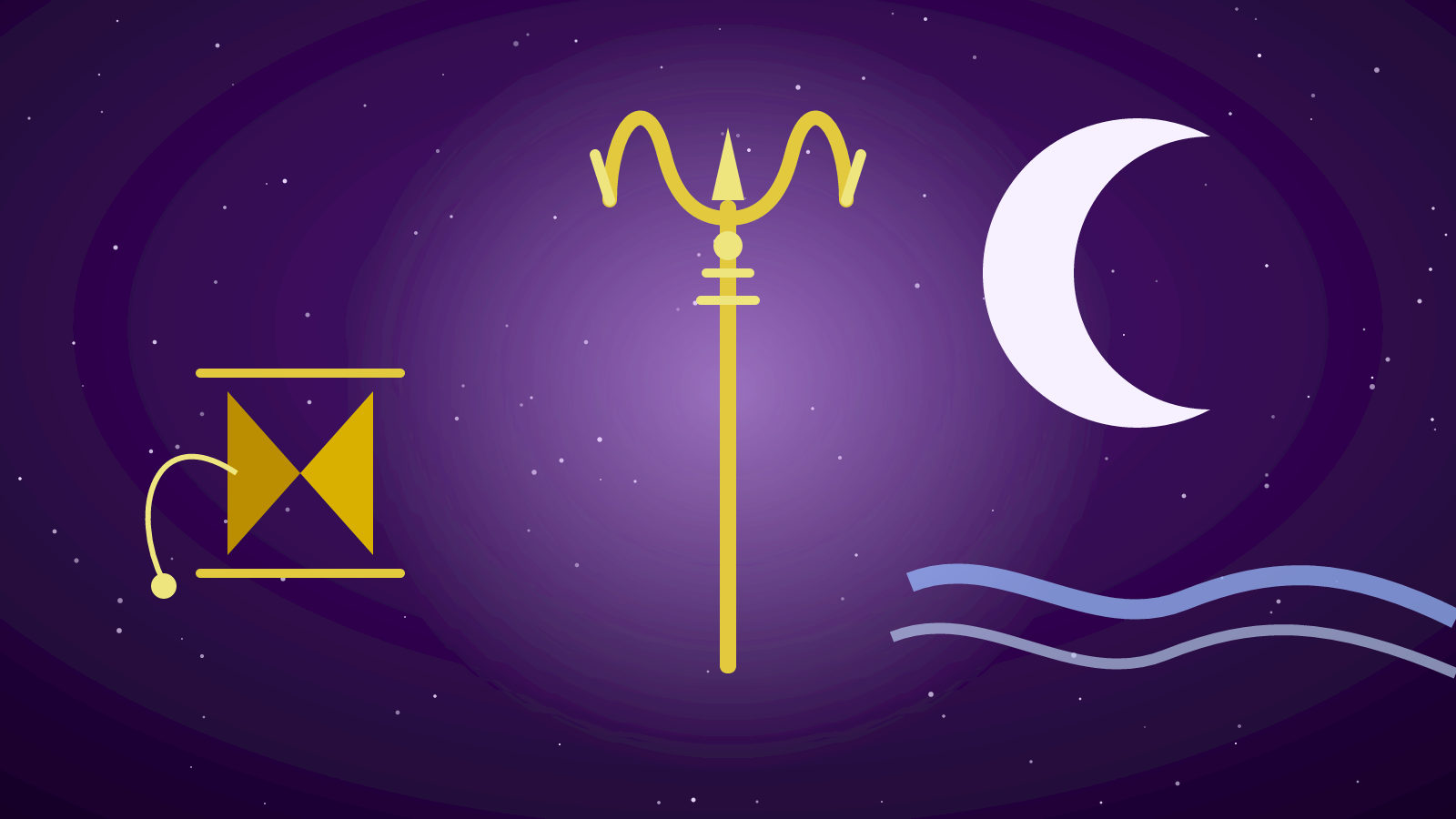
- Na stands for earth, and is also read as the veil that hides the Lord from us.
- Ma stands for water, and the pull of worldly attachment.
- Shi stands for fire, and Shiva himself.
- Va stands for air, and the grace that flows to the devotee.
- Ya stands for space, and the soul that seeks the Lord.
Notice that the same letters carry both a cosmic meaning (the five elements) and an inner one. Some teachers say the mantra walks you from the outer world inward: from earth, which is solid, to space, which is vast. You need not hold the list in your head while chanting. It is enough to know the mantra is not a simple word; it is a map.
Where it comes from
The mantra rests on the Sri Rudram, the great hymn in the Krishna Yajurveda. In its middle, the Namakam, you find the words Namah Shivaya, and a little further on Shivatara. Devotees treat that line as the seed from which the Panchakshari grew. If you wish to read how the Rudram speaks of the Lord, our article on Rudram and Namakam walks through it gently.
Later the Shiva Purana and the Agamas speak of the Panchakshari as the body of Shiva in sound. Adi Shankara and the Tamil Nayanmars each praised it in their own language. We should say plainly that the exact date of the mantra as a stand-alone chant is not known. Tradition places it beyond time.
How to chant it
You do not need an initiation to chant Om Namah Shivaya in the home; countless families do so without one. If you want a formal upadesa from a guru, that is a lovely thing, and it is yours to seek when the time comes.
For a simple practice:
- Wash, and sit on a mat or folded cloth, facing east or north if you can.
- Light a lamp. A picture or a lingam is enough; a flower if you have one.
- Take a rudraksha mala of 108 beads. Rudraksha is Shiva’s own seed, and the mala is traditionally his. Tulasi is for Vishnu and Krishna, so keep that for them.
- Begin at the bead next to the large one, the meru, and turn each bead with the thumb and the middle finger, not the index finger. Do not cross the meru; turn the mala around and go back.
- Say the mantra softly, or in the mind. Make the sound clear on the lips, then let it go quiet.
- One round is 108. If you are short of time, eleven or twenty-one is good. Steady beats long.
When to chant
Any time is fine, but tradition has favourites. Monday is Shiva’s day; our piece on Monday Shiva worship and the Panchakshari goes deeper. Pradosham, the twilight on the thirteenth day of each fortnight, is considered especially dear to him; see the Pradosham page for the coming dates. Brahma muhurta, the hour before sunrise, is held by many to be the quietest time for japa.
What to expect, honestly
Many people ask, what will this give me? The honest answer is that tradition promises steadiness, and not a list of results. Some feel calmer after a few weeks. Some feel nothing for a long time, and then one morning notice that anger came and went more quickly. Some find their mind wanders all through the 108 beads, and that is also normal; you simply bring it back, again and again, and that bringing back is the practice.
Please do not treat the mantra as a bargain, and do not worry about small errors in pronunciation. A child saying it wrongly with love is better than a scholar saying it with a wandering mind. If you are going through illness or hardship, chant for strength, but see a doctor or the right advisor too. Shiva is not offended by that.
Common worries
Do I need to chant it a certain number of days? Some families keep a forty-one day vow, and some make a lakh-count over a year. These are choices, not rules. A daily eleven for a lifetime is as good.
Can I chant while walking, cooking, or travelling? Yes. The Panchakshari is carried in the mind through ordinary hours by many people. The formal sitting and the mala are for the quiet time; the rest of the day, the mantra simply goes along.
What if I miss a day? Begin again the next day without guilt.
A last thought
Shankara says in many places that the Lord is not far away; he is the one in whom the chanting happens. Om Namah Shivaya, in that sense, is also a quiet question: who is the one who bows?
If your family chants it differently, with a different count, a different mala, or a line your elders added, write to hello@southwala.com. We would like to hear how it was taught in your home.
Quick answers
What is the meaning of Om Namah Shivaya?
It means I bow to Shiva, the auspicious one. Tradition also reads the five syllables as standing for the five elements and for the Lord who stands behind them.
How many times should I chant Om Namah Shivaya?
Many families chant 108 times, one turn of a mala. If that is too much, 11 or 21 repeated with attention is a perfectly good beginning.
Which mala is used for Om Namah Shivaya?
A rudraksha mala is the traditional choice for Shiva mantras. Tulasi is kept for Vishnu and Krishna.
Can women and children chant Om Namah Shivaya?
Yes. The Panchakshari is chanted in homes by everyone, and it is among the first mantras many children learn from a grandparent.