Balaji of Tirumala: the seven hills, the loan and the lord who waits
Why does Venkateswara stand on seven hills, why do pilgrims shave their heads and what is the story of the loan from Kubera? A plain guide to Balaji.

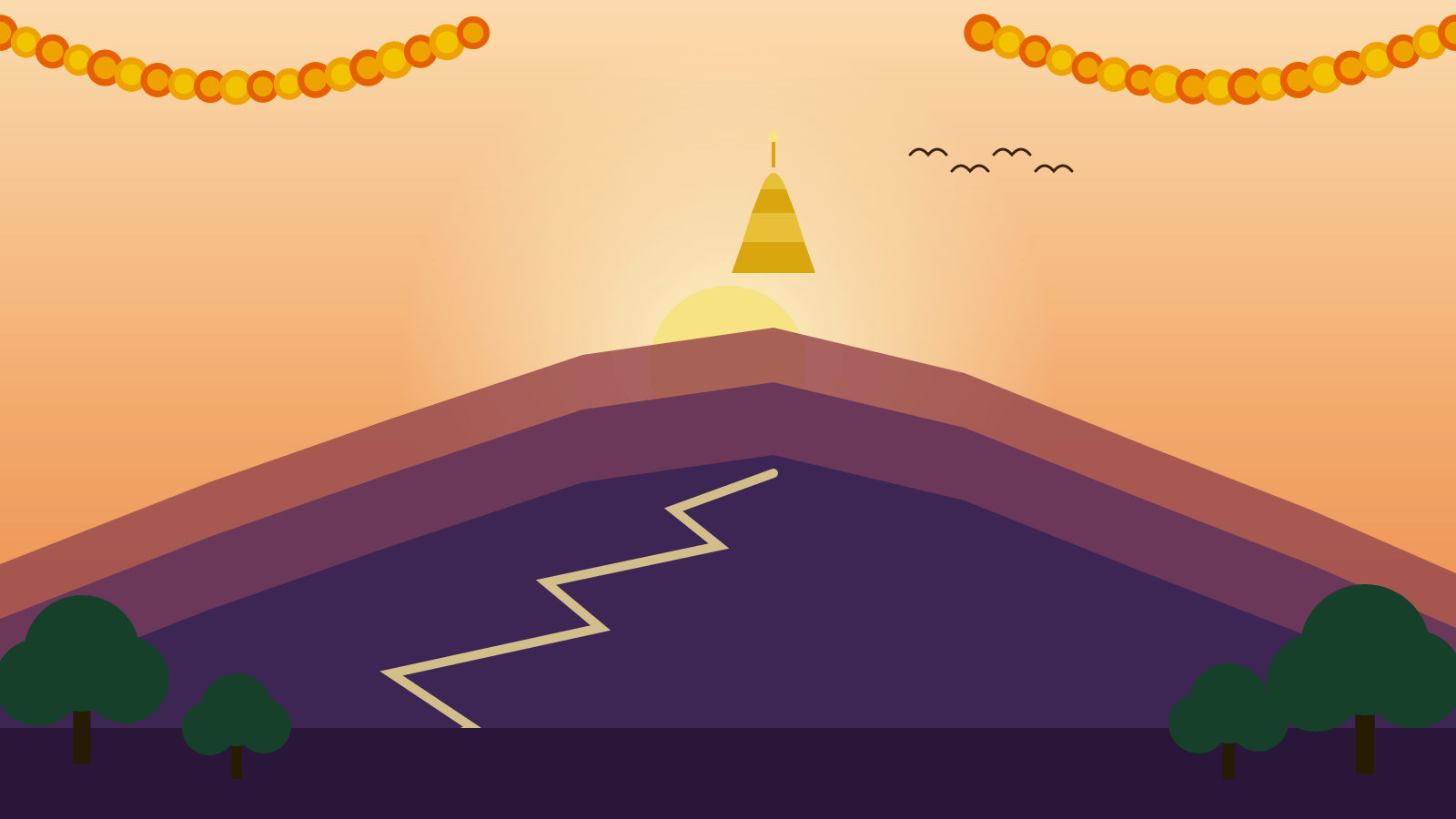
For a lot of families in Andhra Pradesh and Telangana, the most important trip of the year is to Tirumala. The queue can be twelve hours long and people still say it was worth it.
Who is Venkateswara?
He is Vishnu, standing on the hill of Venkata in Tirumala, near Tirupati. He is also called Balaji, Srinivasa and Govinda. The belief is that Vishnu came to earth in the Kali age and stayed on this hill to look after those who need him.
The seven hills
The temple is on Tirumala hill, part of the Seshachalam range. The seven peaks are named Seshadri, Neeladri, Garudadri, Anjanadri, Vrushabhadri, Narayanadri and Venkatadri. One common explanation says the hills look like the seven hoods of the serpent Adisesha, on which Vishnu rests.
The story of the marriage and the loan
The best-known popular story is this. Srinivasa, who had come down to earth, fell in love with Padmavati, the daughter of a king, and wanted to marry her. He had no money for the wedding, so he borrowed a huge sum from Kubera, the god of wealth, promising to repay it with interest.
The loan, the story says, is still being repaid, which is why devotees give to the hundi, the offering box. When you give, you are helping the Lord pay his debt. It is a story told with a smile, but many people mean it quite seriously.
Padmavati’s own temple is at Tiruchanur, at the foot of the hills, and pilgrims traditionally visit her before climbing up to Tirumala.
Why shave the head?
Devotees offer their hair as a vow, called mokku. The reasons given are many: gratitude for a wish granted, giving up pride, or the belief that the hair is a part of you that you give to God. Thousands of people do it every day, men, women and children.
The laddu and the name Govinda
The Tirupati laddu is made in the temple kitchen and given as prasadam. The call of pilgrims on the hill is Govinda, Govinda, which is a name of Vishnu and Krishna. You will hear it from the foot of the hill to the top.
The biggest days
Saturday is the weekly day of Venkateswara in the Telugu country. The festival of Brahmotsavam, held every year in the month of Ashwayuja, is the largest. Vaikuntha Ekadashi, when the northern door of the inner temple is opened, draws huge crowds. In 2026 it falls around 20 December.
Before you go
Book darshan tickets through the official site and be careful with agents. Dress modestly and keep to the temple rules. Check the latest timings, since the rules and the crowd change.
For a longer visit guide, read our Tirumala temple guide, and for the prayers, the Venkateswara mantras.
Balaji puja on Saturday: the simplest version
If you cannot go to Tirumala, you can still keep Saturday. Light a lamp at dusk before a picture of Venkateswara. Say Om Namo Venkateshaya 108 times, or the Govinda namalu. Offer tulasi leaves and a simple sweet. Many families fast until the evening and then eat a simple meal. That is Shanivaram vratam, and our Saturday guide has all the steps.
Things that are special about Tirumala
- The hair offering. Pilgrims offer their hair (talaneelalu) as a sign of giving up pride. The hair is a major pilgrimage tradition.
- The laddu. The Tirupati laddu is a prasadam like no other, with a Geographical Indication tag. The recipe is closely guarded.
- Annamayya’s songs. The fifteenth-century poet-saint Annamayya composed some thirty thousand songs to the Lord. Many Telugu families know at least one.
- The Suprabhatam. The morning hymn that wakes the Lord, famously sung by M. S. Subbulakshmi, is heard across the South at dawn.
- Brahmotsavam. The great annual festival with processions of the Lord on different vahanas.
Padmavathi and Tiruchanur
Pilgrims are advised, traditionally, to visit the temple of Padmavathi (Alamelu Manga) at Tiruchanur, the Lord’s consort, near Tirupati, before or after Tirumala. It is considered a complete visit that way.
A word for those planning a visit
Plan with the official Tirumala Tirupati Devasthanams (TTD) website. Book darshan slots and accommodation there, and avoid agents who ask for large sums. Dress modestly, expect queues and carry water. Rules and prices change, so check just before you go.
Questions people often ask
Is it true the Lord answers vows? The tradition says so, and Telugu families keep many vows, such as offering hair, a coin or a laddu if a wish is fulfilled. Whether you keep such a vow is a matter of your own faith. The tradition also says the Lord looks at the heart before the gift.
Must I go to Tirumala to worship him? No. The Lord is as present in a lamp in your house on a Saturday as on the hill. Many people go once in a lifetime and pray at home the rest of the year.
What should I say when I stand before him? Most people say very little. The queue is long and the darshan is short, perhaps a few seconds. Many say a single line: Govinda.
What does Balaji mean to your family? We would like to hear your story. hello@southwala.com
Quick answers
Who is Balaji?
Balaji is another name of Venkateswara, the form of Vishnu worshipped at Tirumala, also called Srinivasa.
Why do devotees shave their heads at Tirumala?
It is an offering, called mokku, a promise made to the Lord. The tradition links it to giving up ego, and to the story of the loan Venkateswara took for his marriage.
What are the seven hills?
Seshadri, Neeladri, Garudadri, Anjanadri, Vrushabhadri, Narayanadri and Venkatadri.