Kaveri: the story of the crow that spilled a river
The Kaveri begins on a hill in Kodagu and feeds the delta of Tamil Nadu. The story of Agastya, Ganesha as a crow, Tula Sankramana and the festival of Aadi Perukku.


There is a good story behind almost every river in India, but few are as charming as this one. It involves a sage, a pot of water and a crow who was not a crow.
The story
The sage Agastya, the legend goes, was asked by Shiva to take sacred water to the south, to quench the thirst of the land. He carried it in his kamandalu, his water pot. When he reached the hills of Kodagu, he stopped to rest and put the pot down.
Ganesha, who wanted the river to flow in the south, took the form of a crow and sat on the pot. Agastya saw it and tried to shoo it away. The crow flew off and knocked the pot over, and the water spilled out and began to flow. Agastya chased the crow and saw that it was a young boy, who was Ganesha himself. The sage forgave him, and the river became the Kaveri.
Where it begins
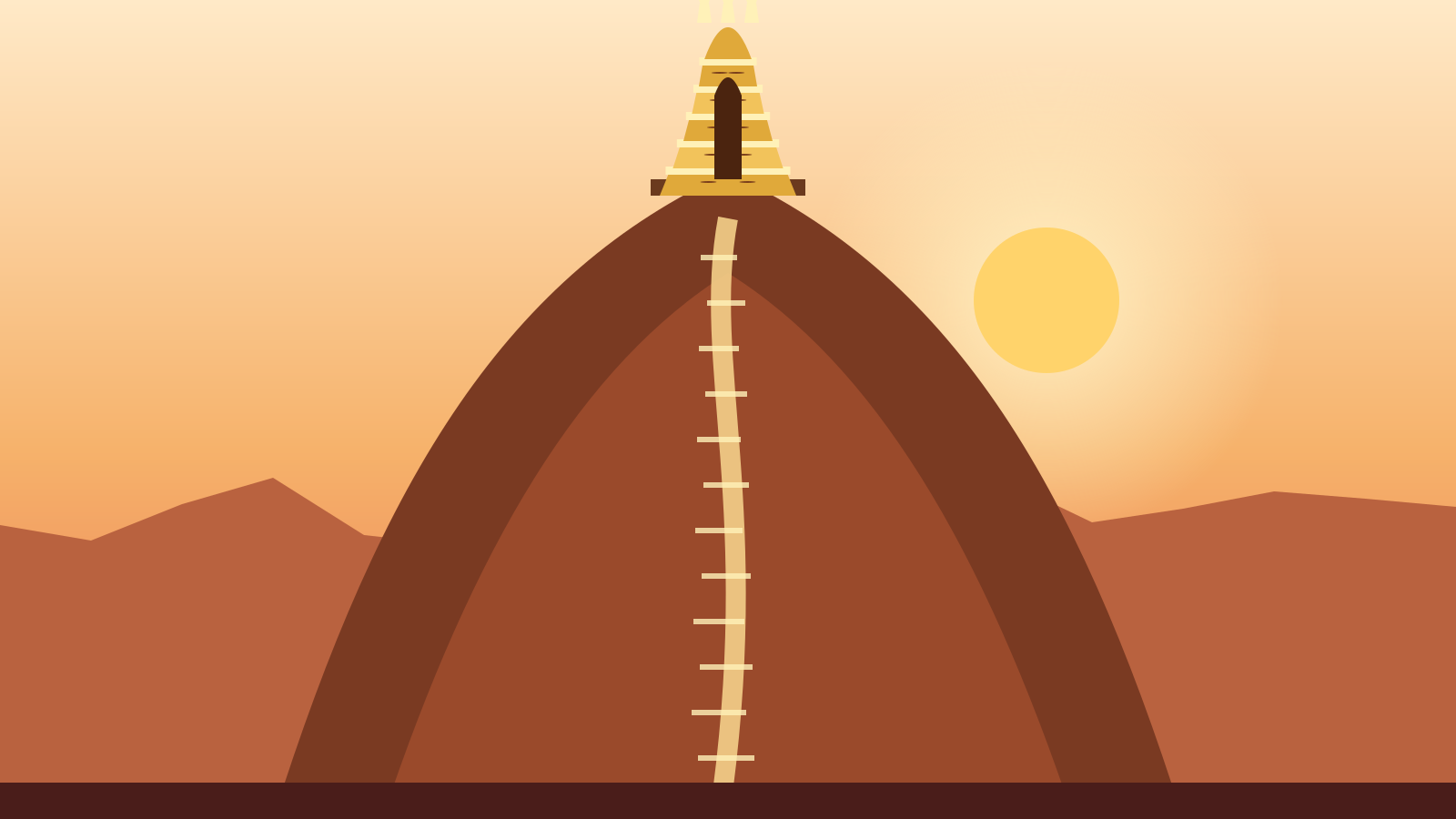
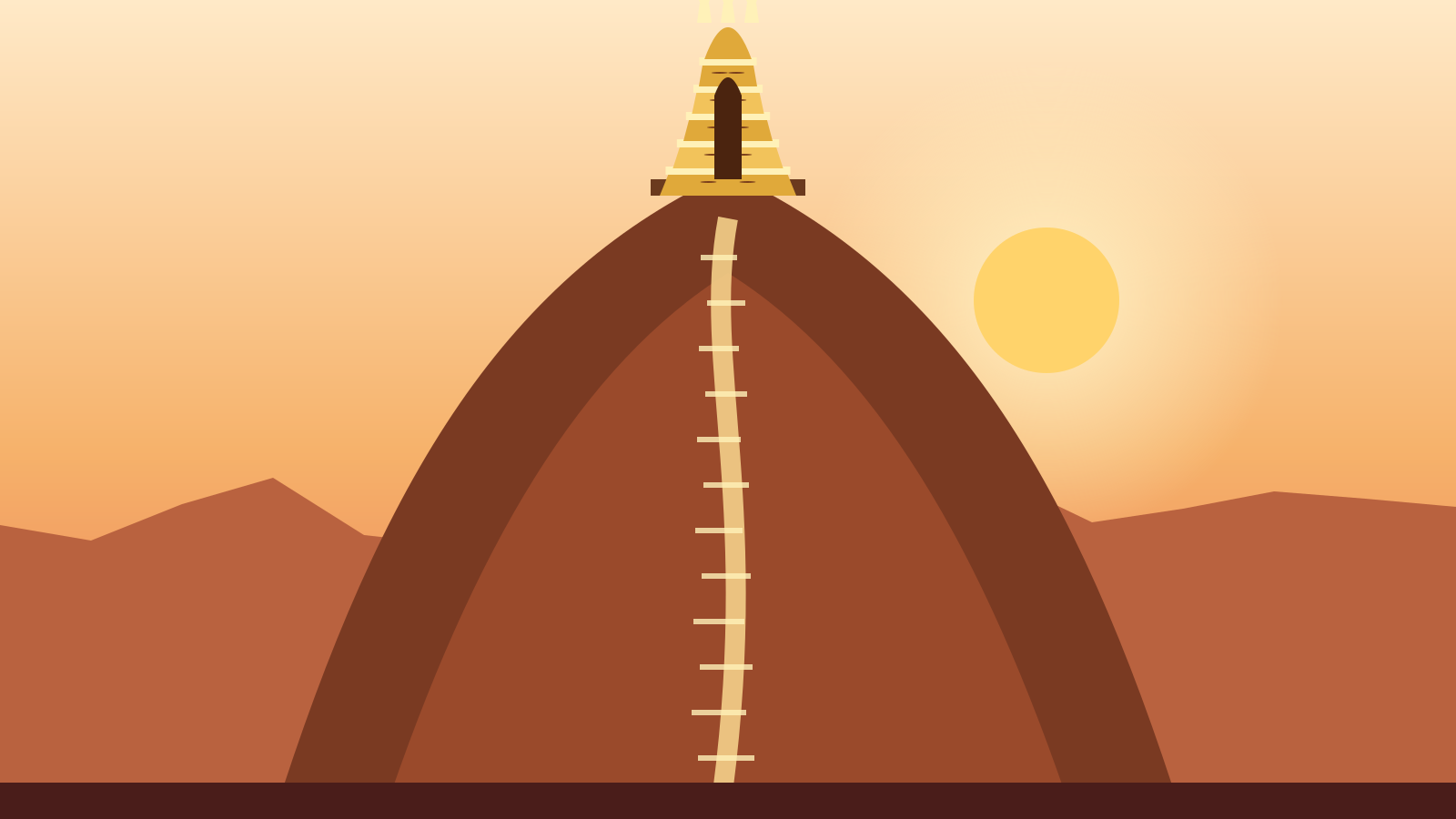
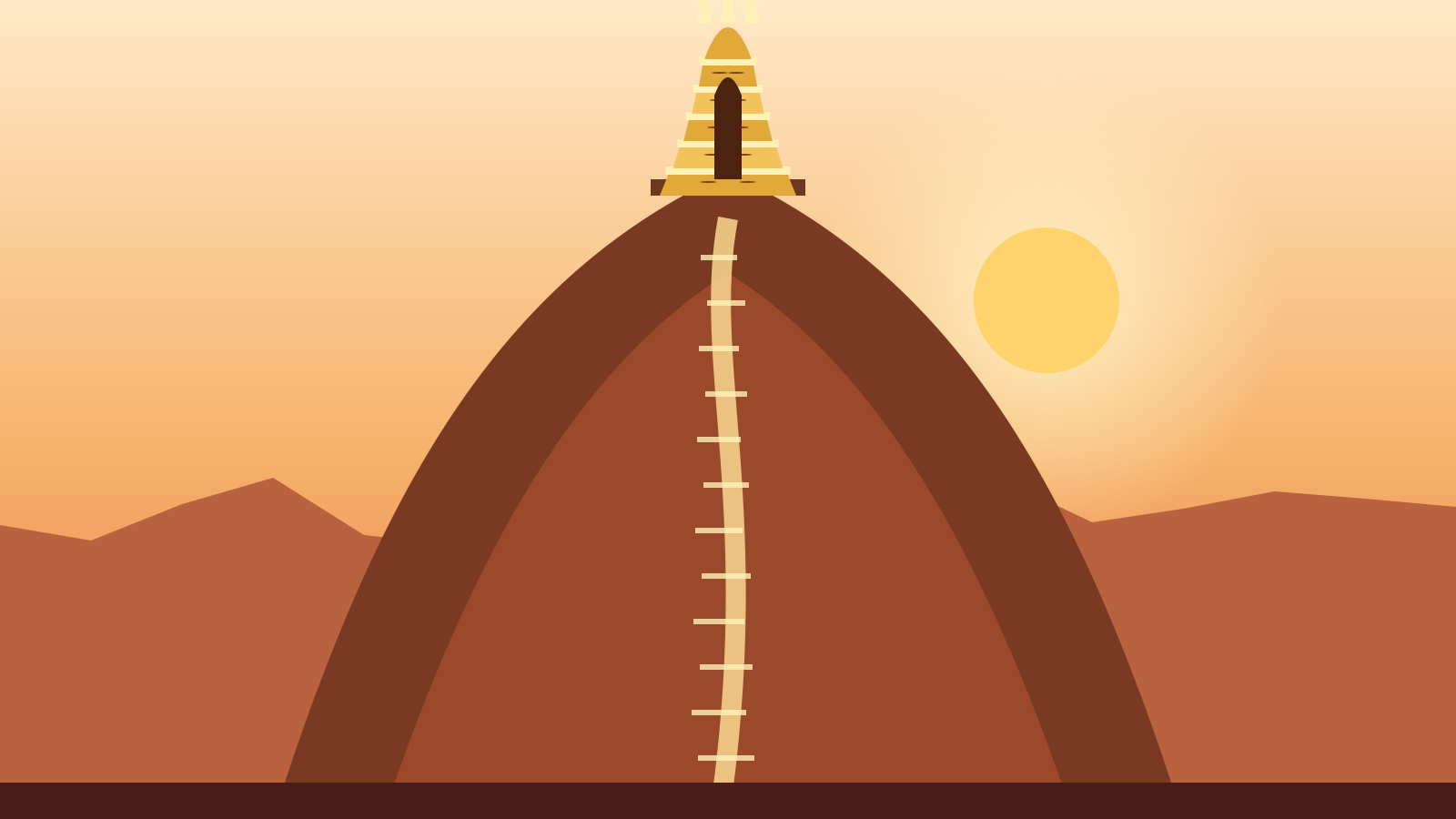
The actual source is at Talakaveri, on the Brahmagiri hill in Kodagu, Karnataka, about 1,300 metres up. A small spring comes out of a tank. Devotees come here especially at Tula Sankramana, in October, when the Sun enters Tula rashi. At the moment of the Sankramana, the spring is said to well up, and thousands of people bathe in the tank. This year the sankramana fell on 17 October.
The route
The Kaveri runs for about 800 km, from Karnataka into Tamil Nadu and out to the sea at Poompuhar. On the way, it makes islands at Srirangapatna and Srirangam, where the Ranganatha temples stand, and gives us the Shivanasamudra falls. In Tamil Nadu it spreads into the delta around Thanjavur, which has been called the rice bowl of the south for a thousand years.
A river that makes culture
The river and the temples are inseparable. The big Chola temples, the Navagraha temples near Kumbakonam and the music festivals at Thiruvaiyaru, where Thyagaraja’s Aradhana is held each year in January, are all on her banks. Tamil poets call her Ponni, the golden one, and in Karnataka she is Kaveramma, mother Kaveri.
Aadi Perukku
In the Tamil month of Aadi, around 3 August, people celebrate Aadi Perukku, on the 18th day. The river is in flood after the monsoon. Families go to the bank, offer flowers, lamps and rice to the river, and share a meal there. Newly married women offer prayers for their husbands’ long lives. It is a festival of thanks.
A shared river
The Kaveri also flows through a long dispute between Karnataka and Tamil Nadu on how to share her water, and the courts and a tribunal have been involved for decades. For devotees and farmers, though, the river does not belong to a state. People on both sides honour her in the same way.
A closer look at Agastya
Agastya is one of the great sages of Indian tradition, and the people of the south have a special place for him. Tamil tradition remembers him as a teacher who brought learning to the south, and many hills and temples in the region are linked with his name.
In the river’s story, notice what he is doing. He is carrying water for the good of others, and he is stopped by a small bird. The tale is a gentle one: even a sage with a mission can be surprised, and a plan can be changed by something very small. Later tradition tells the story with many small variations, and you will hear different versions in Kodagu, in Karnataka and in Tamil Nadu. That is how folk tradition works, and the differences are part of the charm.
How to keep Aadi Perukku at home
You do not need to live on the riverbank to take part. Here is a simple way.
- Clean the house and the water place. Wash the kitchen tap area, the well or the water vessel you use most.
- Set up a small offering. Place flowers, a lamp, fruit and a plate of cooked rice near a bowl or pot of water.
- Say thanks. A few quiet words are enough. You are thanking the water that feeds your food, not asking for anything.
- Share a meal. Many families make mixed rice dishes such as lemon rice, tamarind rice, coconut rice and curd rice, and eat together.
- Pour the water back. Afterwards, pour the bowl of water gently at the foot of a plant or tree.
If you can reach a river, go, but keep the bank clean. Take your flowers and leaves home in a bag if there is no proper place to leave them.
Questions people ask
Is the Kaveri really called the Ganga of the south? Yes. Many rivers in the south share that title, and the Kaveri is among the most loved of them. People say it out of respect, not to compare her with the Ganga.
Can anyone visit Talakaveri? Yes. It is a public pilgrimage place in Kodagu. The crowd is largest around Tula Sankramana, so if you prefer quiet, choose another time. The hills can be misty and cool, so carry something warm.
Why do people on both sides of the dispute still honour her? Because for a farmer or a pilgrim, the river is a mother first. The law and the politics are important, but they sit beside the older bond of thanks.
If you have bathed at Talakaveri, celebrated Aadi Perukku on a riverbank, or have a family version of this story, we would love to hear it at hello@southwala.com.
Related
Visit her temples at Srirangam and Thanjavur, read about Ganesha’s stories, and the Godavari, her northern sister.
Quick answers
Where does the Kaveri begin?
At Talakaveri on the Brahmagiri hill in Kodagu, Karnataka.
What is Tula Sankramana?
The day the Sun enters Tula, in October, when the spring at Talakaveri is said to rise.
What is Aadi Perukku?
A Tamil festival on the 18th day of the month of Aadi, when people thank the rivers for their water.