Mount Kailash and Manasarovar: why nobody climbs the abode of Shiva
Kailash is a mountain that people walk around but never climb. Why four religions hold it sacred, what the parikrama involves and how the yatra from India works.
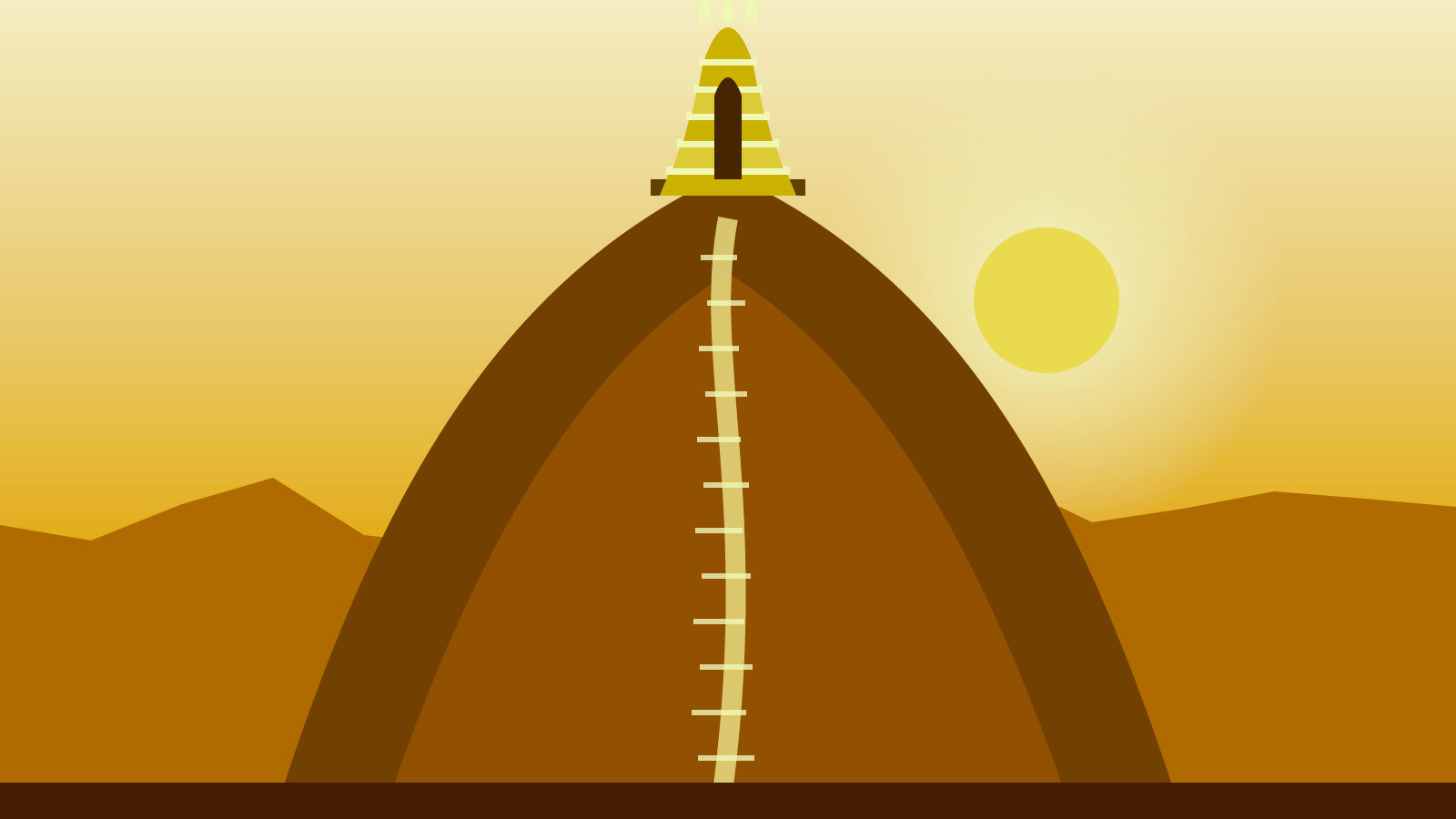
Almost every mountain in the world has been climbed. Mount Kailash is one of the exceptions, because no one is allowed to try.
The mountain
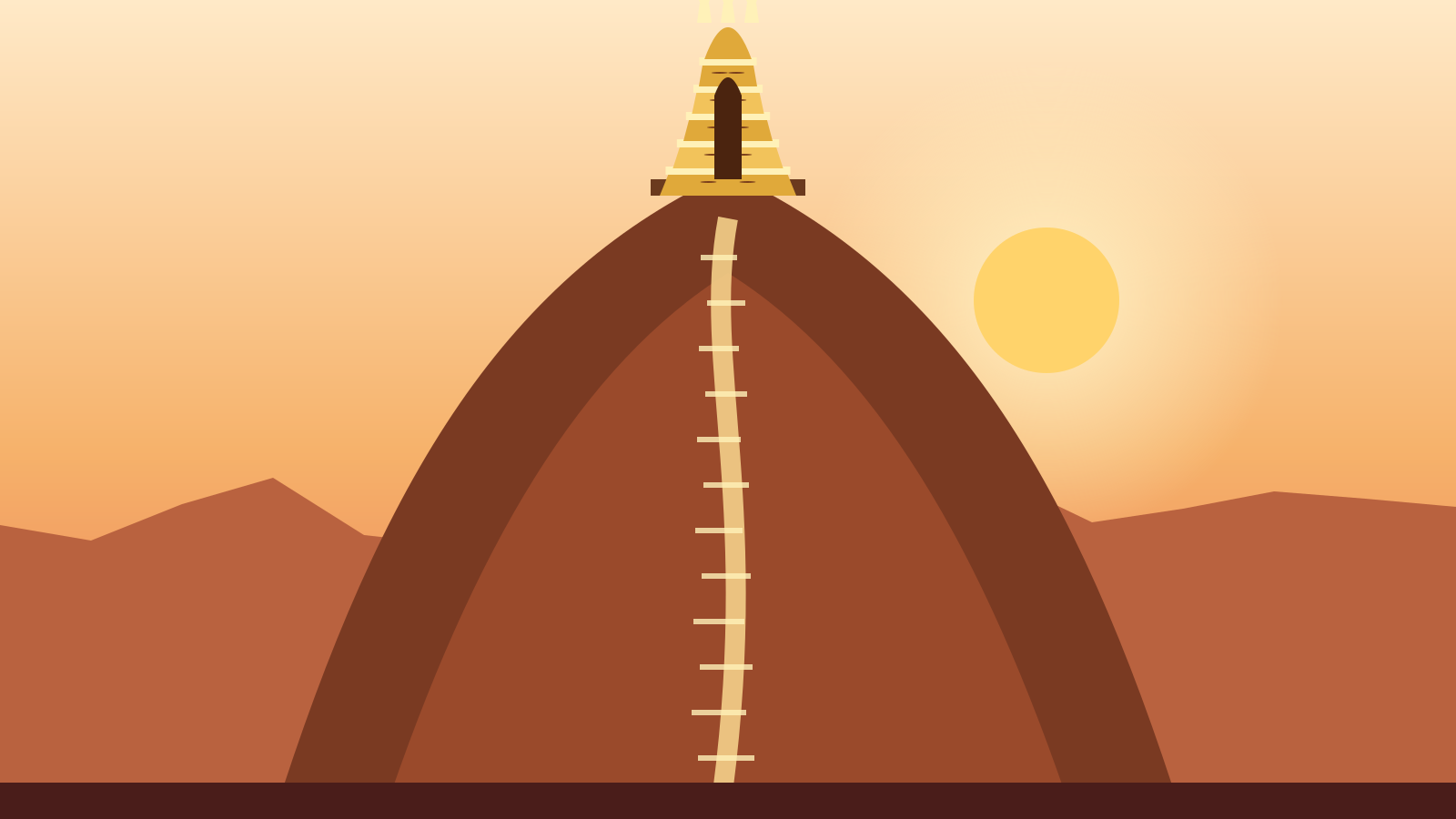
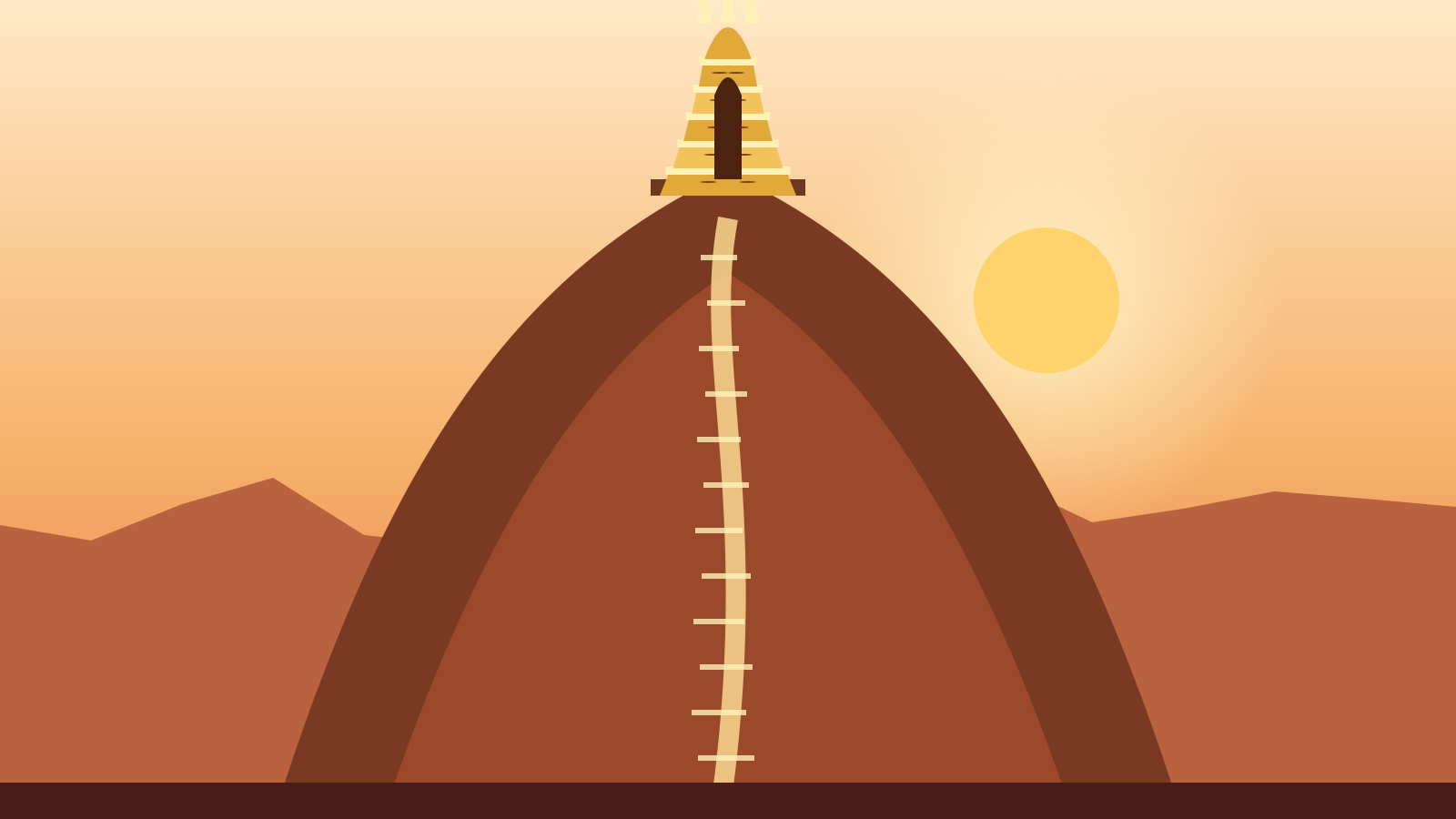
Kailash is a 6,638 metre peak in the far west of Tibet, shaped like a rounded pyramid, with a snowy dome and black rock. It stands alone, and the Indus, the Sutlej, the Brahmaputra and the Karnali rivers all begin in the region around it.
For Hindus it is the home of Shiva, who sits there in meditation with Parvati. The Mahabharata and the Puranas mention it as the highest abode. For Buddhists, it is Mount Kang Rinpoche, the home of Demchok. For Jains, it is Ashtapada, the place where the first Tirthankara found liberation. And the Bon tradition of Tibet also treats it as the centre of the universe. Four religions agree on this, and it is rare.
Why not climb?
In all four traditions, setting foot on the mountain is seen as disrespectful. The belief is that it is the seat of the divine and should not be conquered. In Tibetan tradition, anyone who climbs it will die. China, which controls the area, has not allowed climbing for decades. Instead, people walk around it.
The kora and the parikrama
The walk around Kailash is called the parikrama by Hindus and the kora by Tibetans. It is about 52 km, and takes three days, usually on foot, with a high point at the Dolma La pass at about 5,600 metres. Devotees say that one circuit clears the sins of a lifetime, and 108 circuits lead to liberation. Some pilgrims from Tibet walk it with full prostrations, which takes weeks.
Lake Manasarovar
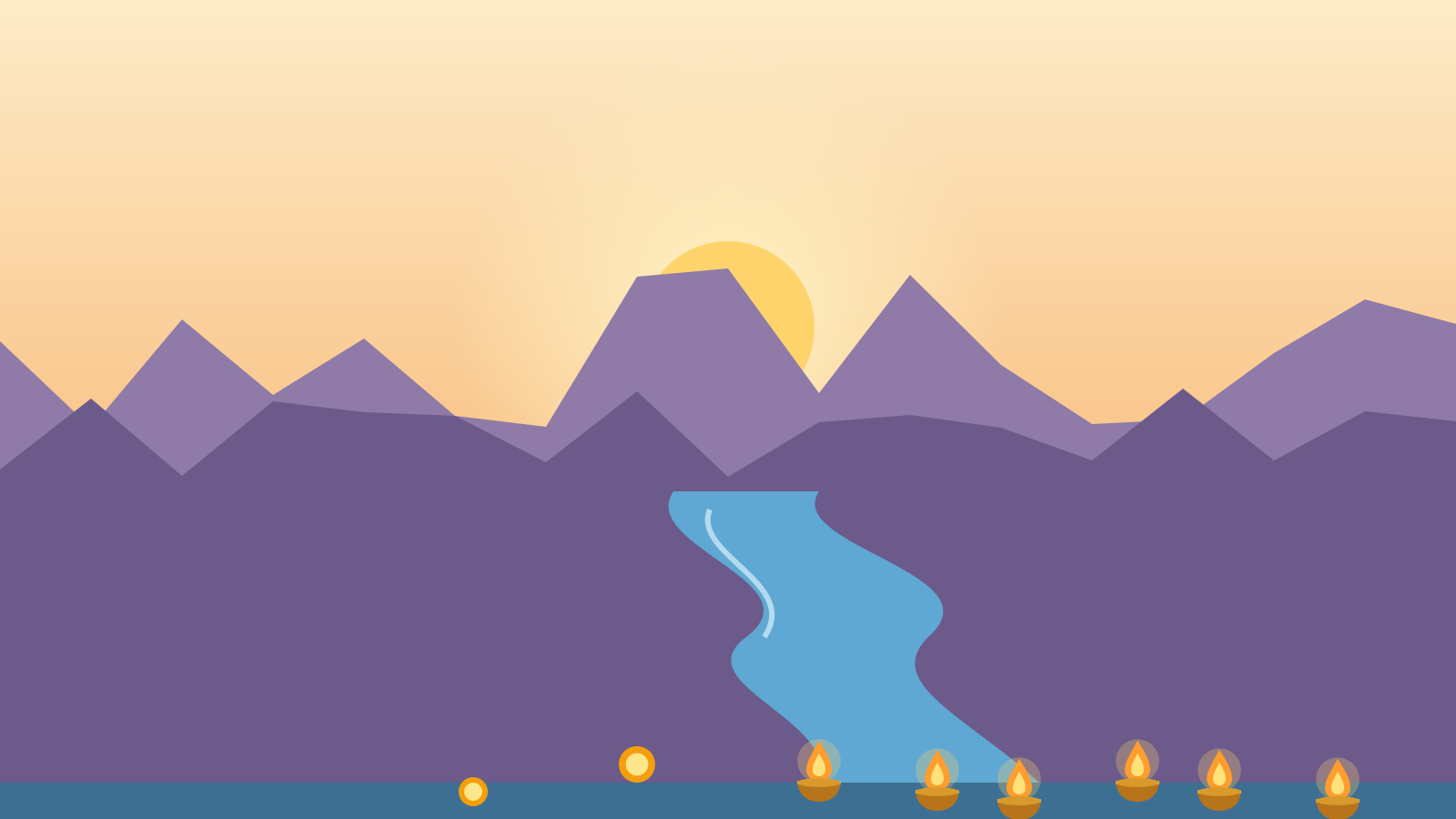
South of Kailash is the lake of Manasarovar, said to have been created in the mind of Brahma, which is what the name means. A bath in its cold, clear water is part of the pilgrimage. At dawn, the sight of Kailash reflected in the water is something that people remember all their life.
How Indian pilgrims go
The Government of India, through the Ministry of External Affairs, runs a Kailash Mansarovar Yatra each summer, through Lipulekh Pass in Uttarakhand and Nathu La in Sikkim, by lottery. The yatra was suspended for several years and resumed in 2025. Many people also go through private operators from Nepal. Check the latest rules, the health requirements and the dates before you plan, as they change often.
The route is at very high altitude, over 4,500 metres, and pilgrims need a medical check and time to adjust. People with heart or lung problems should speak to a doctor.
Kailash in the old stories
Kailash appears in many Puranic and epic tales. One well-known tradition, told in the Ramayana’s Uttara Kanda, is that Ravana once tried to lift Kailash itself. Shiva pressed down on the mountain with his toe, and Ravana was trapped beneath it until he praised Shiva with hymns. Later tradition links the Shiva Tandava Stotram with that moment. How much of this is poetry and how much is memory, the stories do not say. What they all agree on is that Kailash is where Shiva sits, and that even the mighty cannot move it.
Places on the way
Two places near the mountain come up again and again in pilgrim accounts.
- Rakshas Tal. A second lake, close to Manasarovar. Pilgrims describe it as darker and stranger than its neighbour.
- Gauri Kund. A small, high lake near the highest point of the parikrama, named for Parvati. Many pilgrims do not reach it, because of the cold and altitude.
Getting ready, if you plan to go
This is general advice, not a medical or travel guide.
- Speak to your doctor first, especially about heart, lung, blood pressure and diabetes.
- Plan for slow adjustment. Altitude affects everyone differently, and people who rush often fall ill.
- Train with long walks for some months before.
- Pack for the cold and the sun. Layers, sun protection and good shoes matter.
- Check current rules for permits, routes and dates well in advance.
Reading it with modern eyes
A mountain that no one climbs is a strange idea today. We climb things to prove that we can. Kailash invites the opposite: to go a long way, to walk around something and to leave it as it is.
You do not have to travel to Tibet to learn from that. Most of us have something in life that is better respected than conquered, such as an elder’s silence, a grief or a faith that is not ready to be explained. The parikrama teaches a posture: stay near, walk around, and stay humble.
Questions people ask
Is the Kailash in Tibet the only Kailash? It is the one most pilgrims mean. Other places in India, such as hills with Shiva shrines, carry the name or are called the Kailash of the south. These are remembered with love, but they are different from the mountain in Tibet.
Can older people do it? Many older pilgrims have made the journey, but altitude is a real risk. Talk to a doctor and travel with a reliable group.
Is the parikrama clockwise for everyone? Hindus and Buddhists walk clockwise, and followers of Bon traditionally walk the other way round.
If you have been to Kailash, or have a parent or grandparent who did, we would be glad to hear from you at hello@southwala.com.
Closer to home
If a trip to Tibet is out of reach, many Indians visit the many places named after Kailash, such as the Kailasanathar temples, and the hill of Arunachala, which is also considered a form of Shiva. For more on Shiva himself, read who Shiva is.
Quick answers
Why does nobody climb Mount Kailash?
It is considered too sacred to set foot on. Pilgrims walk around it instead.
How long is the Kailash parikrama?
About 52 km, usually done in three days at an altitude above 4,500 metres.
How do Indian pilgrims go?
Through the Kailash Mansarovar Yatra run by the Government of India via Lipulekh Pass or Nathu La, and through private tour operators via Nepal. Check current rules before planning.