Govardhan: the hill Krishna lifted, and the mountain of food
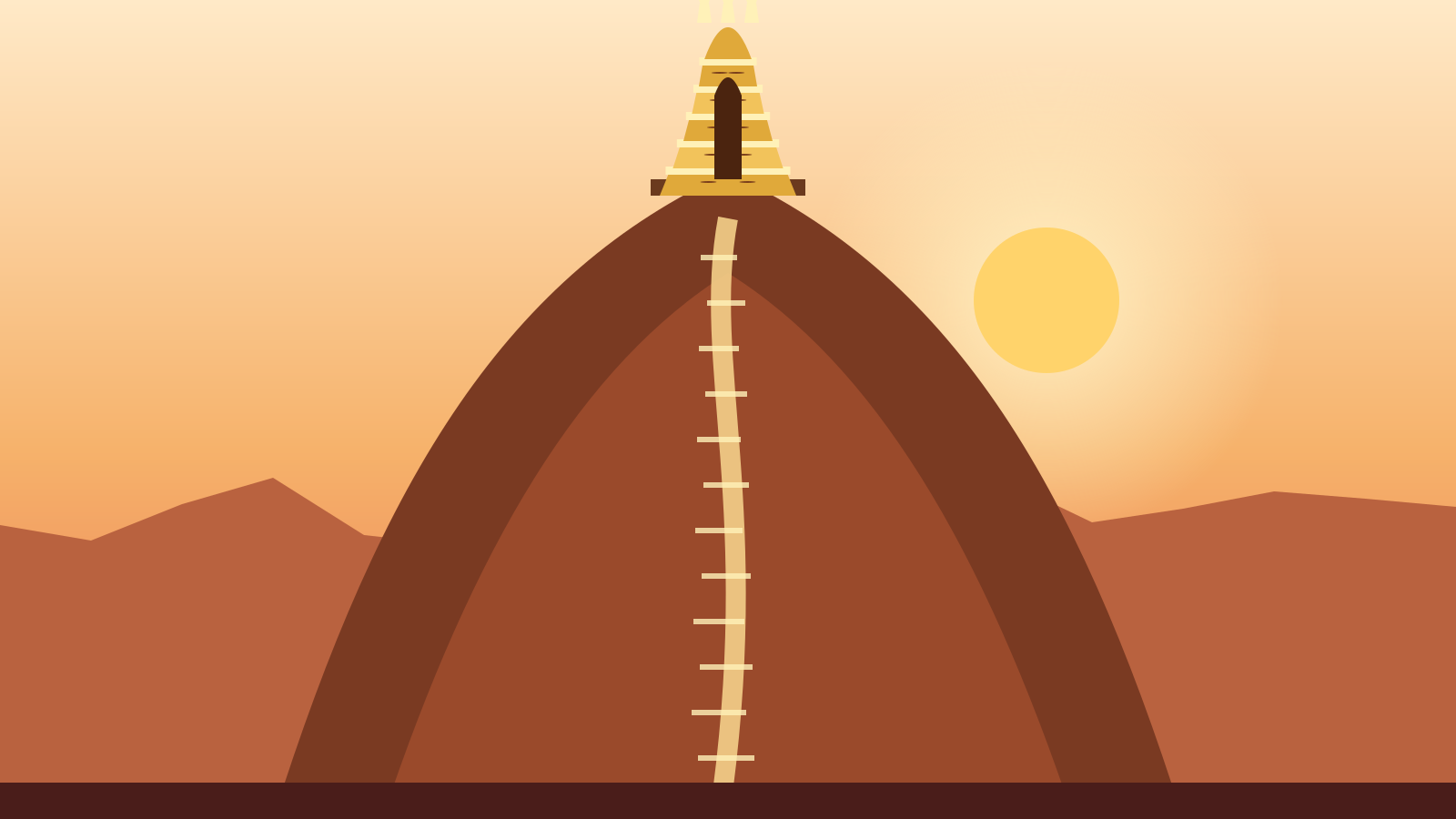
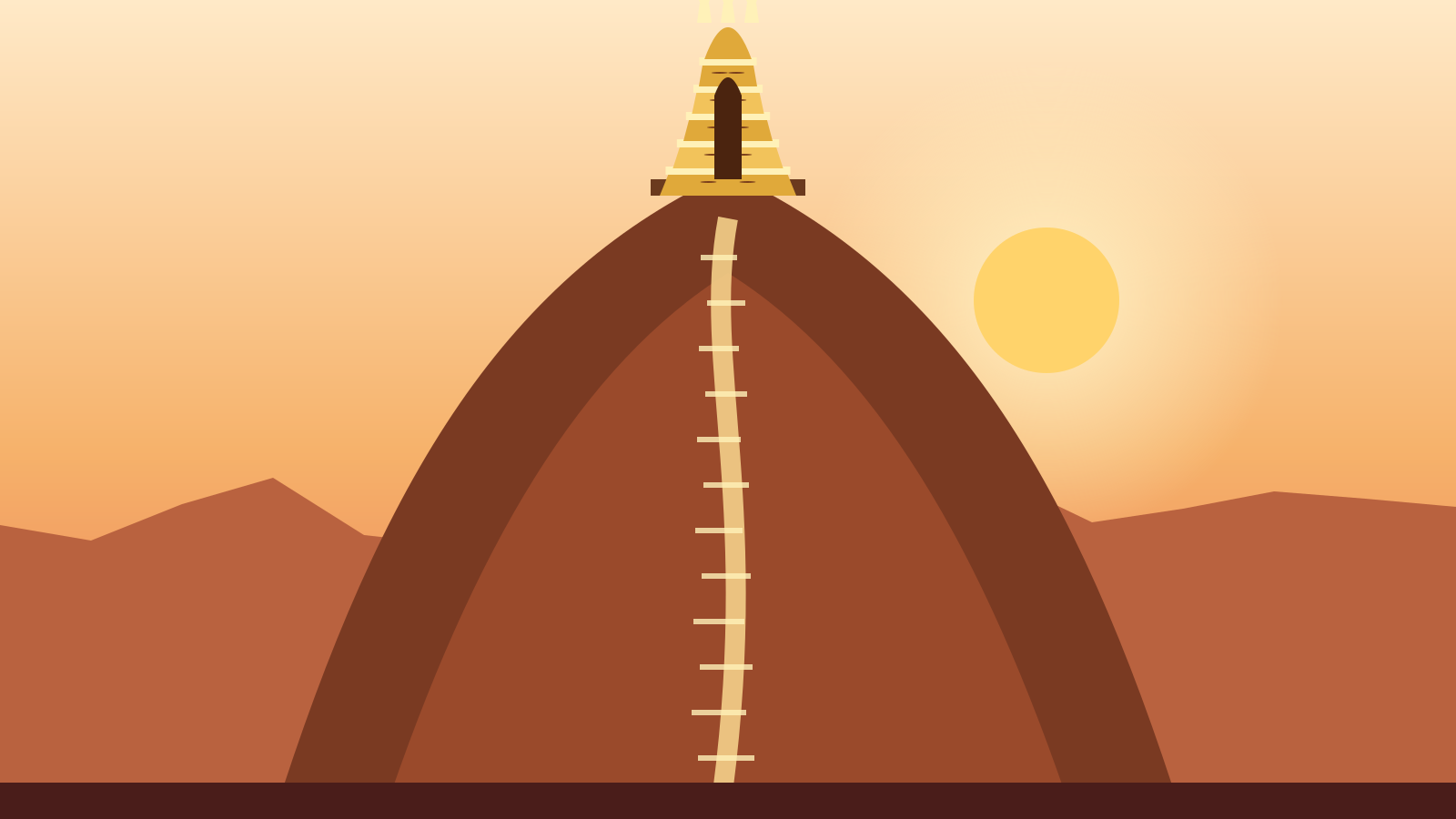
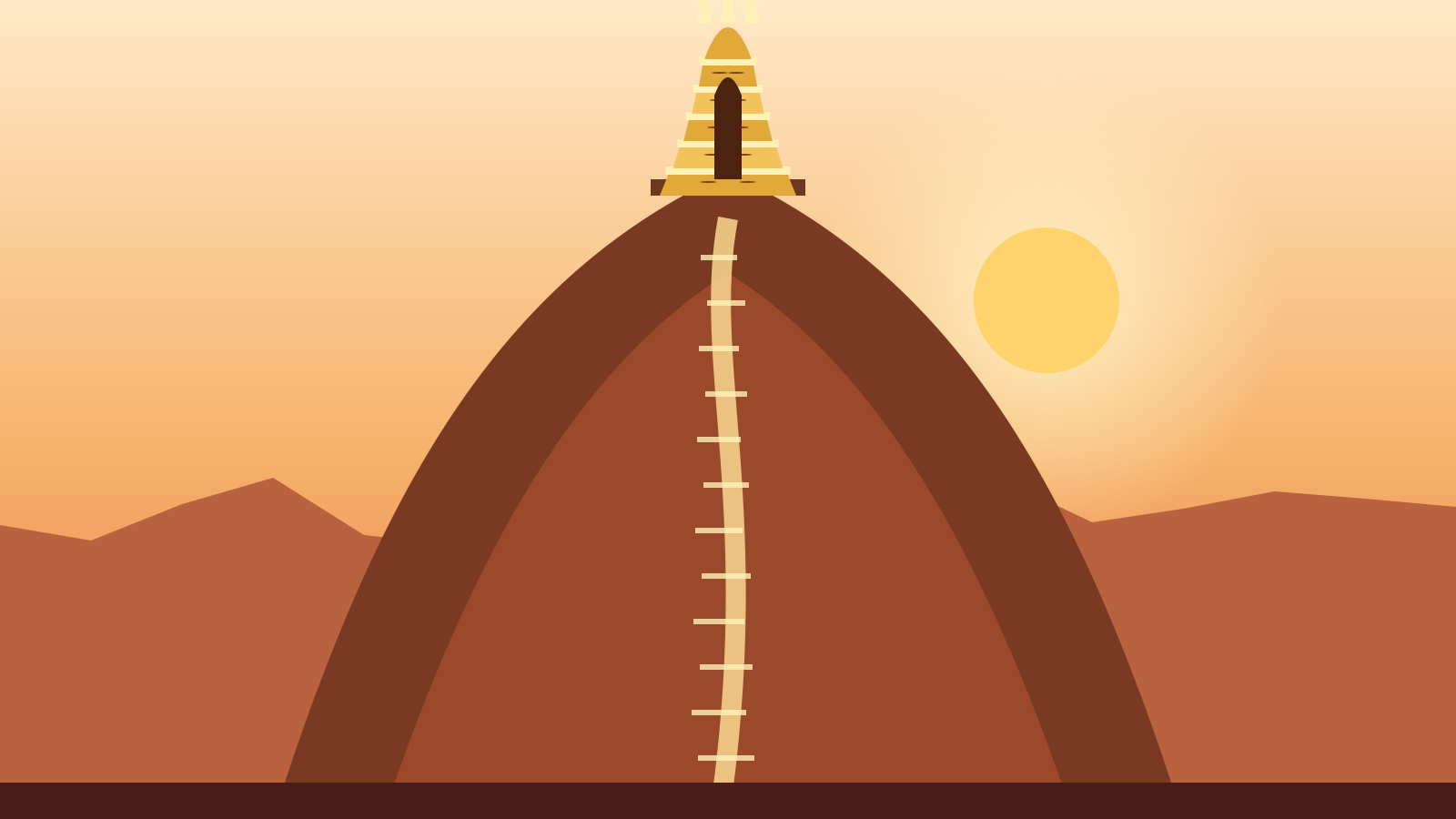
The story of Krishna lifting Govardhana Hill is told in every Hindu home. What happened, how pilgrims walk the 21 km parikrama and when Govardhan Puja is this year.
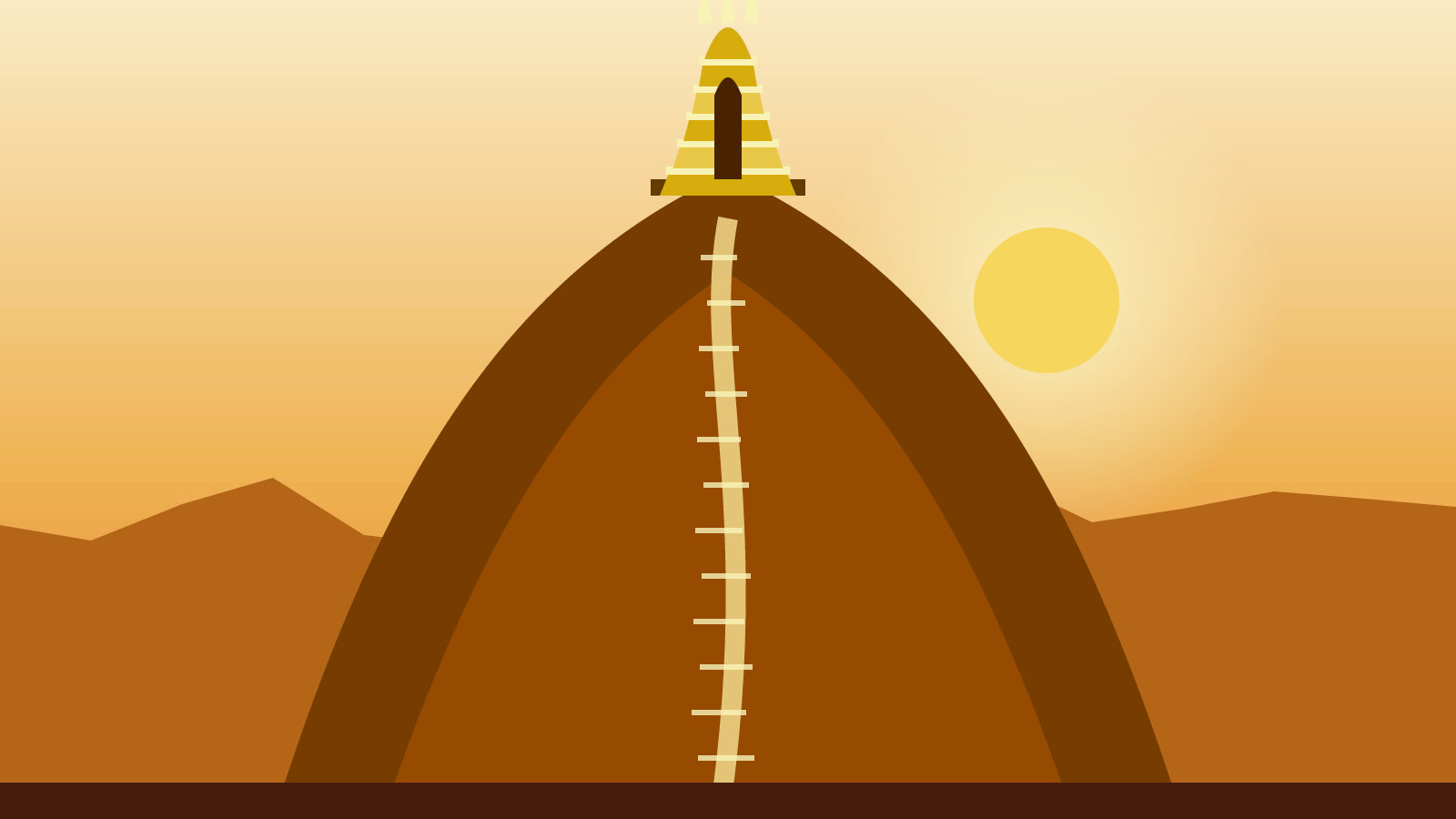
Many of Krishna’s stories take place in the open, in Vrindavan, with cows and rivers. The best known is a story of a hill and a storm.
What happened
The people of Vraj, the cowherd community, used to offer worship to Indra, the king of the gods, every year, so that he would send rain. Krishna, who was a boy, asked his foster father Nanda why. The answer was that Indra gives rain, and rain gives grass for the cows.
Krishna said that it was the hill of Govardhana, with its grass and streams, that fed their cattle, and that they should worship the hill and the cows instead. The villagers agreed. Indra, angry and insulted, sent a terrible storm to Vraj that went on for days.
Krishna lifted Govardhana on the little finger of his left hand like an umbrella, and everybody, with all the cows, took shelter under it. For seven days and nights, the storm raged. Then Indra realised who Krishna was, and gave up. Krishna put the hill down.
What it teaches
Many readers take it as a story about humility and pride. Indra’s pride in being worshipped is broken by a child. Other readers see a kind of early environmental message: honour what really feeds you, the land, the grass, the cow. In both readings the point is the same.
The hill today
Govardhan Hill is not tall. It is a low ridge, about 8 km long, near Mathura in Uttar Pradesh, and is said to be shrinking each year. A local story says that a sage once cursed it to sink a little every day. Pilgrims treat every stone of it as sacred, and most will not step on it with shoes.
The parikrama
Pilgrims walk around the hill, a path of about 21 km, called Govardhan Parikrama. It takes five or six hours. Many do it barefoot, in groups, singing. On the way are the Manasi Ganga lake, Daan Ghati and Radha Kund. Devotees on a vow may roll along the ground or take it one prostration at a time. Before the walk, people usually bathe at the Manasi Ganga and make an offering.
Govardhan Puja and Annakut
On the day after Deepavali, the first day of the bright fortnight of Kartika, Govardhan Puja is celebrated. People make a small hill from cow dung or of food and decorate it, then circle it. In temples, a tradition called Annakut, a mountain of food, is offered to Krishna. Dozens or hundreds of dishes are arranged in front of the deity and then shared with devotees as prasad.
In 2026 Govardhan Puja is on Tuesday, 10 November, the day after Deepavali Amavasya. The full list of Deepavali dates is in our Deepavali guide. Bali Padyami, the same day, begins Karthika Masam in the Telugu calendar.
A closer look at the story’s source
The lifting of Govardhana is told in the tenth canto of the Bhagavata Purana, in chapters 24 and 25. It is also recalled in the Harivamsha and in many later poems and songs. In the telling, Krishna is a young boy, and the people of Vraj are simple cowherds. That detail matters. The hero of the story is not a king or a warrior but a child who asks a simple question: why do we do what we do?
The name Govardhana is often explained as “the one that nourishes the cows.” Whether or not you take that as an exact meaning, it fits the story well.
Tips if you plan the parikrama
These are practical notes, not rules.
- Choose the hours. Early morning or evening is kinder than the midday heat.
- Carry water and a cap. Barefoot walking on hot stone is hard. Some people wear light socks or take the walk in stages.
- Go slowly. Five or six hours is a long walk. Rest at the lakes along the way.
- Keep it clean. Take your leaves, flowers and wrappers with you.
- Walk with a group or a friend if you can, especially if you are older or travelling for the first time.
- If you cannot walk the whole path, do a smaller part. Devotion is not measured by kilometres.
Govardhan Puja at home
You do not need to be in Vraj to take part. A simple way:
- Make a small hill on a clean plate or a patch of ground, from cooked rice, or from clean earth or cow dung if that is your family custom.
- Decorate it with flowers, a lamp and a few leaves of tulasi.
- Offer fruit, sweets and the food you have cooked that day.
- Walk around the little hill slowly, once or three times.
- Share the food with family, neighbours and, if you can, someone who has little.
That last step is the heart of Annakut. A mountain of food means nothing unless it is shared.
Questions people ask
Is the hill really shrinking? Local belief says so, and pilgrims treat it with great care. Whatever the cause, it is a good reason to walk gently and not take stones away.
Why is cow dung used? In village homes, it is a clean and humble material that has been used for floors and fires for centuries, and it connects the puja to the cows of the story. Many families today use food or clay instead.
If you have walked the parikrama or made Annakut in your own home, write to us at hello@southwala.com and tell us how it felt.
Related
If you want to know more about Krishna, read Krishna: the cowherd, the king and the teacher, and for another hill, see Arunachala.
Quick answers
What is Govardhan Puja?
A festival the day after Deepavali, when devotees make a hill of food or cow dung to honour Govardhana and Krishna.
How long is the Govardhan parikrama?
About 21 km, walked barefoot around the hill.
What happens at Annakut?
A large collection of food items, often hundreds, is offered to the deity and shared as prasad.