Shankara’s four mathas: Sringeri, Dwaraka, Jyotirmath and Puri
Adi Shankaracharya set up four monasteries at the four corners of India. Where each is, which Veda it follows and what its teaching is.

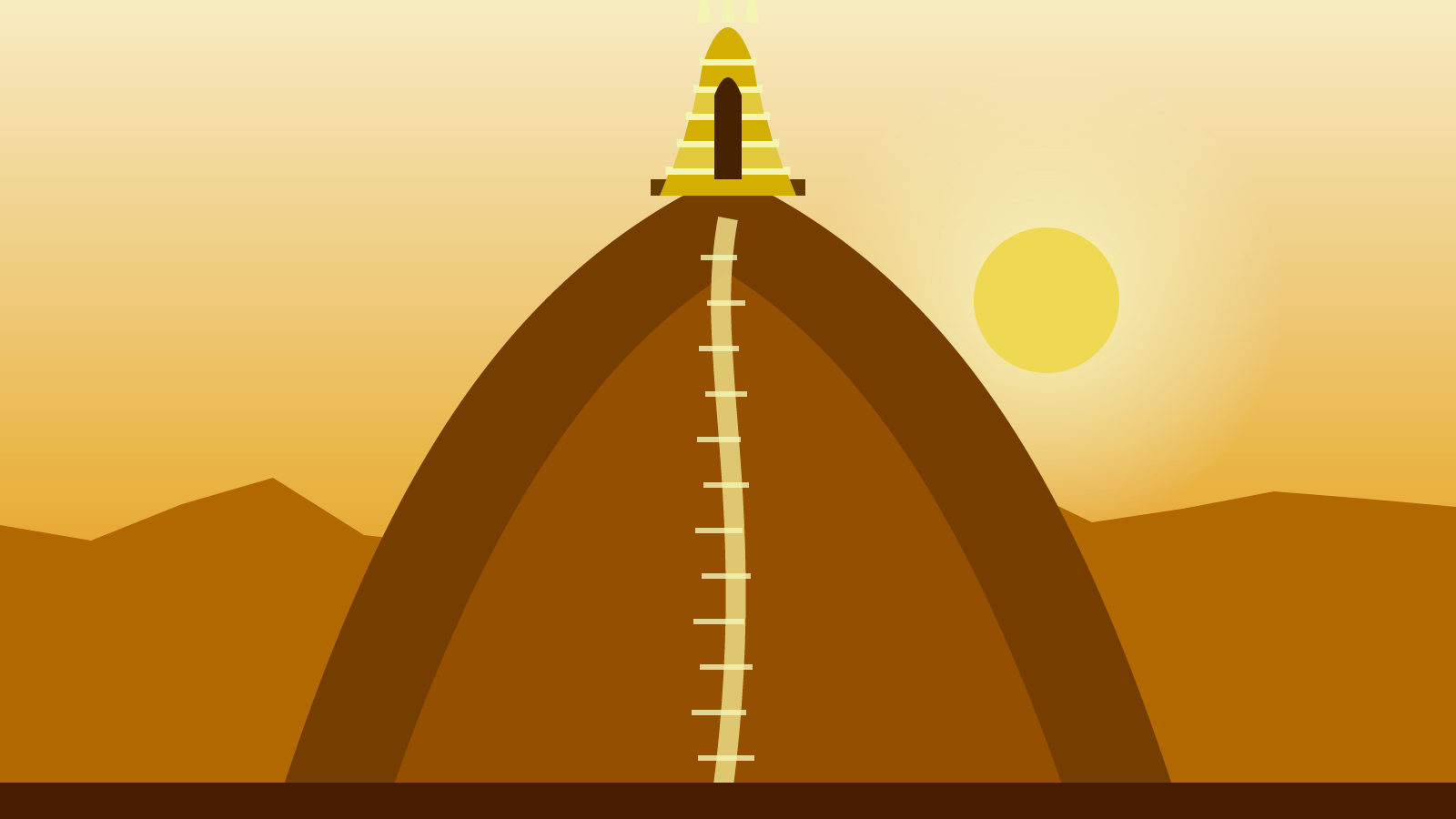
Shankara did not only write. He built something that would last: four monasteries, one in each direction, so that the teaching could be kept alive by a line of teachers after him.
The four at a glance
| Matha | Direction | Place | Veda | Mahavakya |
|---|---|---|---|---|
| Sringeri Sharada Peetham | South | Sringeri, Karnataka | Yajurveda | Aham Brahmasmi |
| Dwaraka Sharada Peetham | West | Dwaraka, Gujarat | Samaveda | Tat Tvam Asi |
| Jyotirmath | North | Joshimath, Uttarakhand | Atharvaveda | Ayam Atma Brahma |
| Govardhana Matha | East | Puri, Odisha | Rigveda | Prajnanam Brahma |
Each of the four is also linked with one of Shankara’s chief disciples, who became its first head: Sureshwaracharya at Sringeri, Hastamalaka at Dwaraka, Totakacharya at Jyotirmath and Padmapada at Puri.
Sringeri, the one nearest to us
Sringeri is in the Chikmagalur district of Karnataka, on the banks of the Tunga river in the Western Ghats. It is a quiet town with two famous temples. One is the Sharada temple, to the goddess of learning, and the other is the Vidyashankara temple, built in the 14th century with twelve pillars that are said to line up with the zodiac signs and the sun’s path.
The story of how Sringeri was chosen is a favourite. Shankara, it is said, saw a cobra spreading its hood to shelter a frog in labour from the sun. He took it as a sign that natural enmity had no place here, and set up the matha on the spot.
The head of the Sringeri matha is the Jagadguru Shankaracharya, and the matha runs schools, Vedic institutions, hospitals and large annual events. Many families in the South, especially Smarta Brahmin families, have a long relationship with it.
The other three
- Dwaraka sits on the western coast of Gujarat, near the city sacred to Krishna.
- Jyotirmath is at Joshimath in the Himalayas, on the route to Badrinath, and its head is the Shankaracharya of the north.
- Puri is by the Jagannath temple, on the eastern coast.
What a Shankaracharya does
The head of each matha holds the title Shankaracharya. He teaches, guides disciples and speaks for his tradition. In practice, the mathas have also been centres of local life, with festivals, scholarship and charity.
Not the only claim
You may also hear about the Kanchi Kamakoti Peetham in Tamil Nadu, whose followers trace it to Shankara himself. Its history is discussed within the tradition and by scholars, and many people respect both lines.
Visiting
Sringeri is a few hours from Mangaluru or Bengaluru. The matha provides free meals to visitors, and dress and timing rules apply. If you plan to go, check them ahead of time.
What the four sayings mean
The last column of the table lists a mahavakya, a great saying from the Upanishads, one for each matha. In plain words:
- Aham Brahmasmi: I am Brahman, the ultimate reality.
- Tat Tvam Asi: That you are.
- Ayam Atma Brahma: This Self is Brahman.
- Prajnanam Brahma: Consciousness is Brahman.
All four point to the same idea, that the deepest part of you is not different from the ground of everything. If that is new to you, Advaita Vedanta in plain words is a gentle place to begin.
The ten orders
Tradition links the monks who follow Shankara with ten names, the Dashanami, such as Saraswati, Bharati, Giri, Tirtha and Vana. Each of the four mathas is traditionally connected with some of these names. So when you meet a renunciant whose name ends in one of them, you are seeing a thread that goes back to this arrangement.
Questions people ask
Why four? One for each direction, so that the teaching would be tended in every part of the land. Tradition also pairs each with a Veda, as in the table.
Did Shankara really found all four? The mathas themselves say so, and the tradition holds it firmly. Historians discuss the details of dates and early history, and the evidence for some early periods is thin. It is fair to say that these are very old institutions that honour Shankara as their source.
Do I need to be a member to visit? Not generally. Most mathas welcome visitors for darshan. Rules on dress and timings differ, so check ahead.
What do they do apart from teaching? In many places they run schools, libraries, temples and charitable kitchens. That, too, is part of keeping the teaching alive.
Why it still matters
Think of what Shankara was trying to do. A teaching can disappear in a single generation if no one is responsible for it. By giving it homes and heirs, he made sure that a person in the south, the west, the north or the east would have a place to go and ask a question of someone who had spent a life on the answer.
That is also the best way to use a matha today: go with a question, listen more than you speak, and leave with something to think about.
If your family has a link to one of these mathas and wishes to share what it means to you, write to us at hello@southwala.com.
Read more about the founder in Shankara’s story.
Quick answers
How many mathas did Shankara found?
Four, at Sringeri, Dwaraka, Jyotirmath and Puri.
Which matha is in South India?
The Sringeri Sharada Peetham in Karnataka, on the banks of the Tunga river.
What is a Shankaracharya?
The head of one of these mathas holds the title Shankaracharya and is seen as a successor in the line of Adi Shankara.