Rama, Vali and the hunter Jara: even an avatar meets his karma
Rama shot Vali from behind a tree. In a popular tradition, Vali returns as the hunter whose arrow ends Krishna’s life. What the story says about karma.

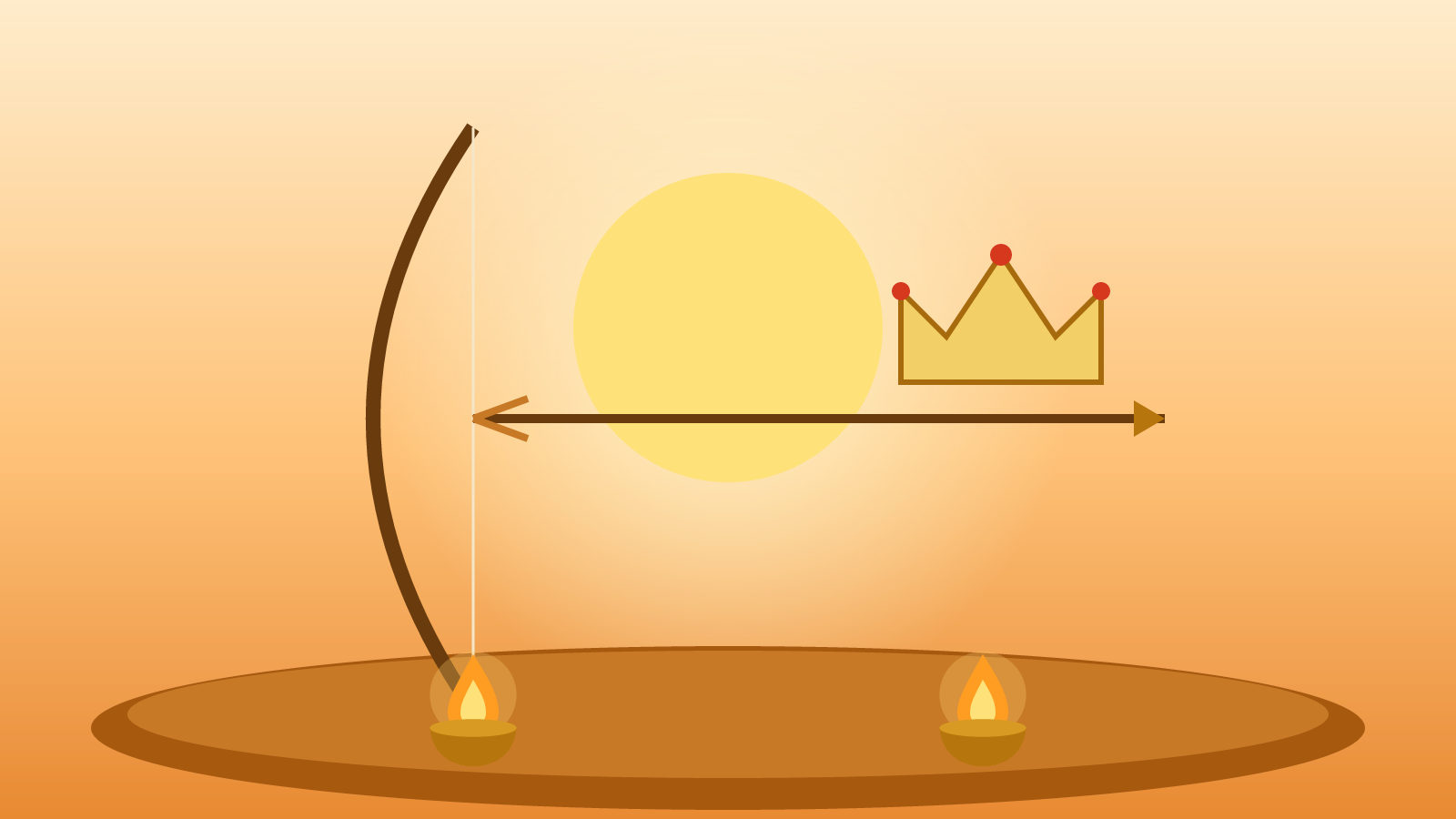
Few stories make the point as sharply as this one: even the avatars of Vishnu are shown living with the consequences of their own actions.
What happened to Vali
In the Kishkindha Kanda of the Ramayana, Rama befriends Sugriva, whose brother Vali has driven him out and taken his wife. Rama kills Vali with an arrow while Vali is fighting Sugriva, shooting from behind a tree. Dying, Vali asks Rama how a king who stands for dharma could strike from hiding. Rama answers: Vali had taken his brother’s wife and kingdom, kings may hunt as hunters do, and the guilty must be punished. Vali accepts and entrusts his son Angada to Rama.
Readers have argued about that answer for centuries. It is a story that does not hide the difficulty.
The hunter Jara
In the Mahabharata’s Mausala Parva, Krishna sits in the forest after the destruction of his clan. A hunter named Jara mistakes his foot for a deer and shoots it, and Krishna leaves the world. In a popular later tradition, Jara is Vali born again, and the arrow is the answer to the one shot from behind the tree. The Mahabharata itself does not make that link, so it is best read as a folk teaching rather than as scripture.
What the story teaches
- A justified act still has consequences. Rama had reasons, and the tradition says he accepted what followed. Acting for a good cause does not erase the weight of the act.
- Karma travels across time. The result does not always come back quickly, or in the form we expect.
- The way you receive the result matters. Krishna does not blame or curse the hunter. He forgives Jara and blesses him.
For today
When you have to do something hard, even for a good reason, do it with the least harm possible and be ready to answer for it. And when the result comes back in an unexpected form, as it often does, receive it as Krishna did.
Read more about the three kinds of karma and the temple of Rama at Bhadrachalam.